Forugh Farrokhzad’s “The Sin” (Gonah) is one of the most provocative and widely recognised poems of modern Persian literature. Through an intensely personal expression of love, desire and female sexuality, the Iranian poet challenged the social and literary conventions of her time and helped redefine the voice of women in modern Persian poetry. This article explores The Sin, Farrokhzad’s life and artistic legacy, and a contemporary musical interpretation inspired by the emotional power of her poetry.
Forugh Farrokhzad: A Voice That Refused to Be Silenced
Forugh Farrokhzad (1934–1967) remains one of the most influential and courageous voices in modern Iranian literature. A poet, filmmaker, and artist, she challenged the conventions of her time with a rare honesty that made her work both controversial and profoundly human.
Her poetry explored love, desire, loneliness, identity, freedom, and the search for meaning. She wrote openly about experiences that Iranian women were rarely expected to express publicly, giving voice to an inner world that had long been pushed into silence.
The Sin (Gonah) is perhaps one of her most famous and provocative poems. Written in the first person, it speaks of desire and intimacy without apology. Yet beneath its sensuality is something deeper: a woman acknowledging her own feelings and claiming the right to experience them. The poem’s power comes not simply from its subject, but from the courage of its voice.
Farrokhzad’s artistic vision extended beyond poetry. Her 1962 documentary The House Is Black, about a leprosy colony in northern Iran, is considered a landmark of Iranian cinema. Through its poetic imagery and deeply compassionate perspective, she demonstrated that filmmaking could be both socially conscious and profoundly artistic.
Farrokhzad’s life was tragically short. She died in a car accident in Tehran in 1967, at only 32 years old. Yet her influence has continued to grow. Decades later, her poems remain widely read, translated, performed, and set to music.
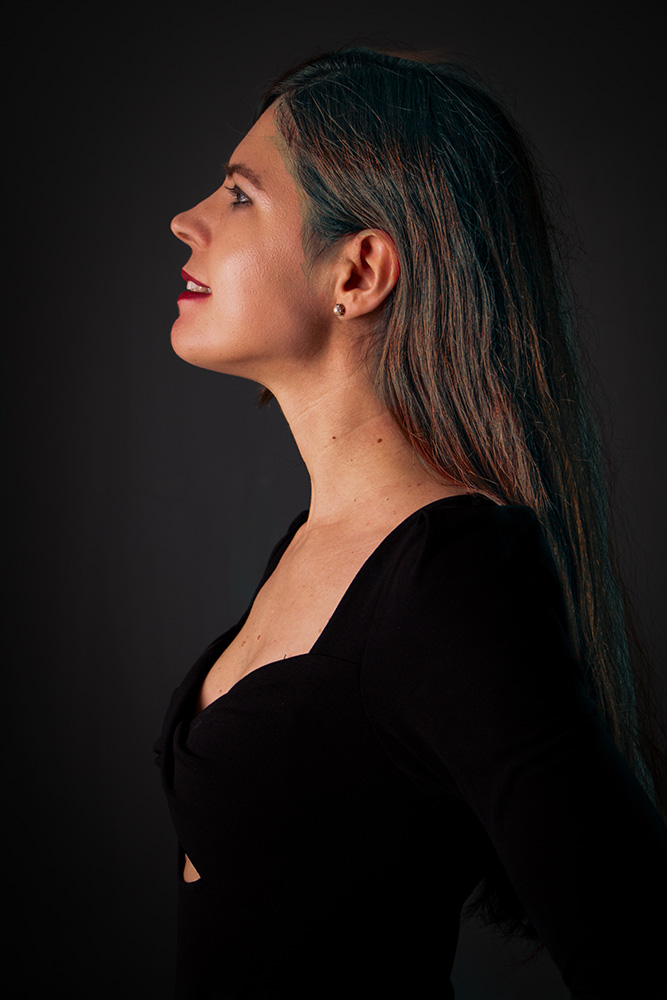
This song is my own musical interpretation inspired by her poem The Sin. I wanted to bring her words into another artistic form while preserving the emotional intensity at the heart of the poem—a voice speaking about love, desire, vulnerability, and freedom.
View this post on Instagram
Forugh Farrokhzad did not simply write about breaking boundaries. She broke them with her own voice.