From Art Nouveau and Bauhaus to Swiss typography, psychedelia, minimalism and experimental digital design, this visual reference introduces 36 major graphic design movements and approaches.
A design movement belongs to a particular historical or cultural context; a design style or technique may span several periods. The examples below include both, grouped for easier reference.
Historical foundations
| Visual example | Style / period | Characteristics and references |
|---|---|---|
|
|
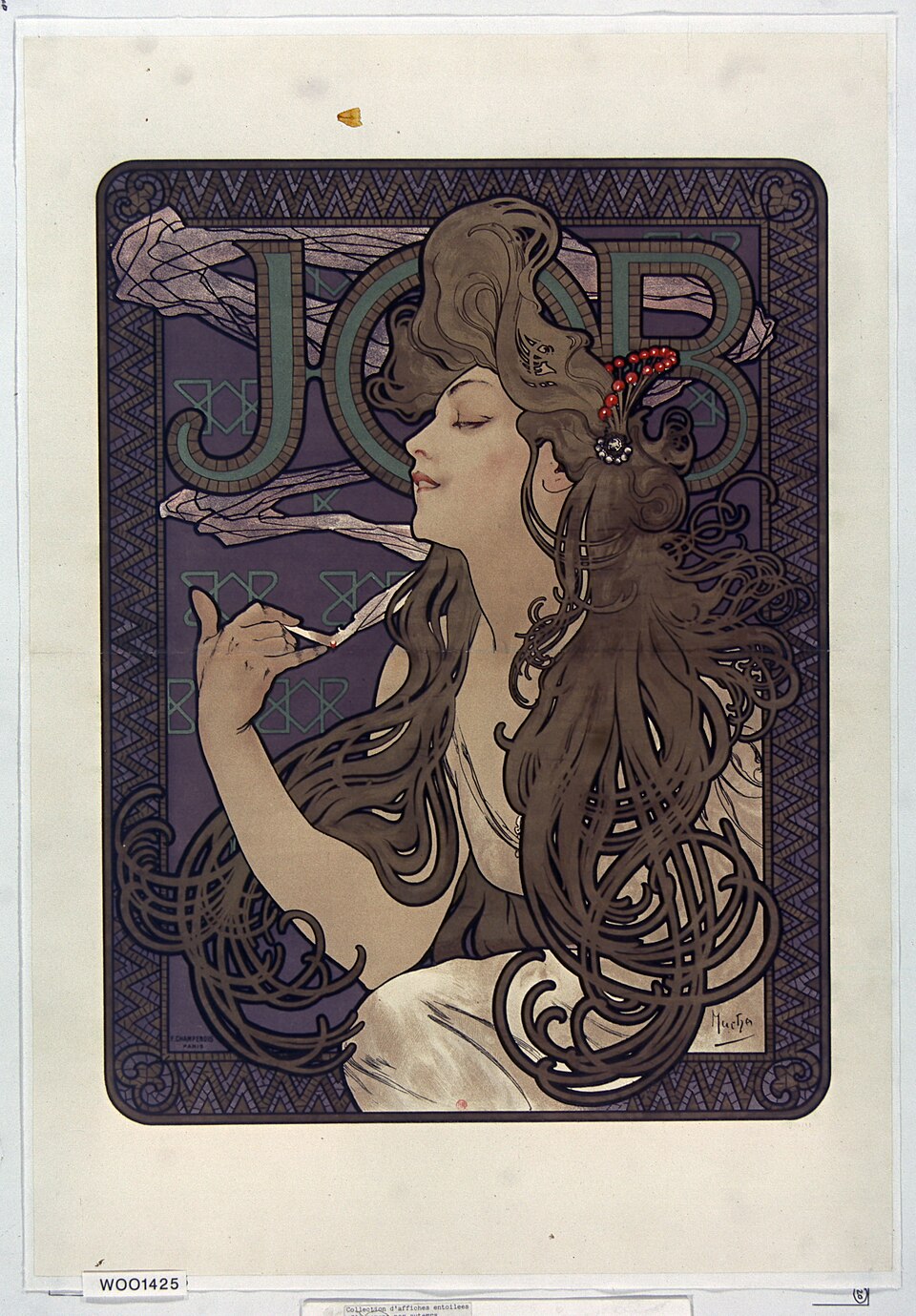
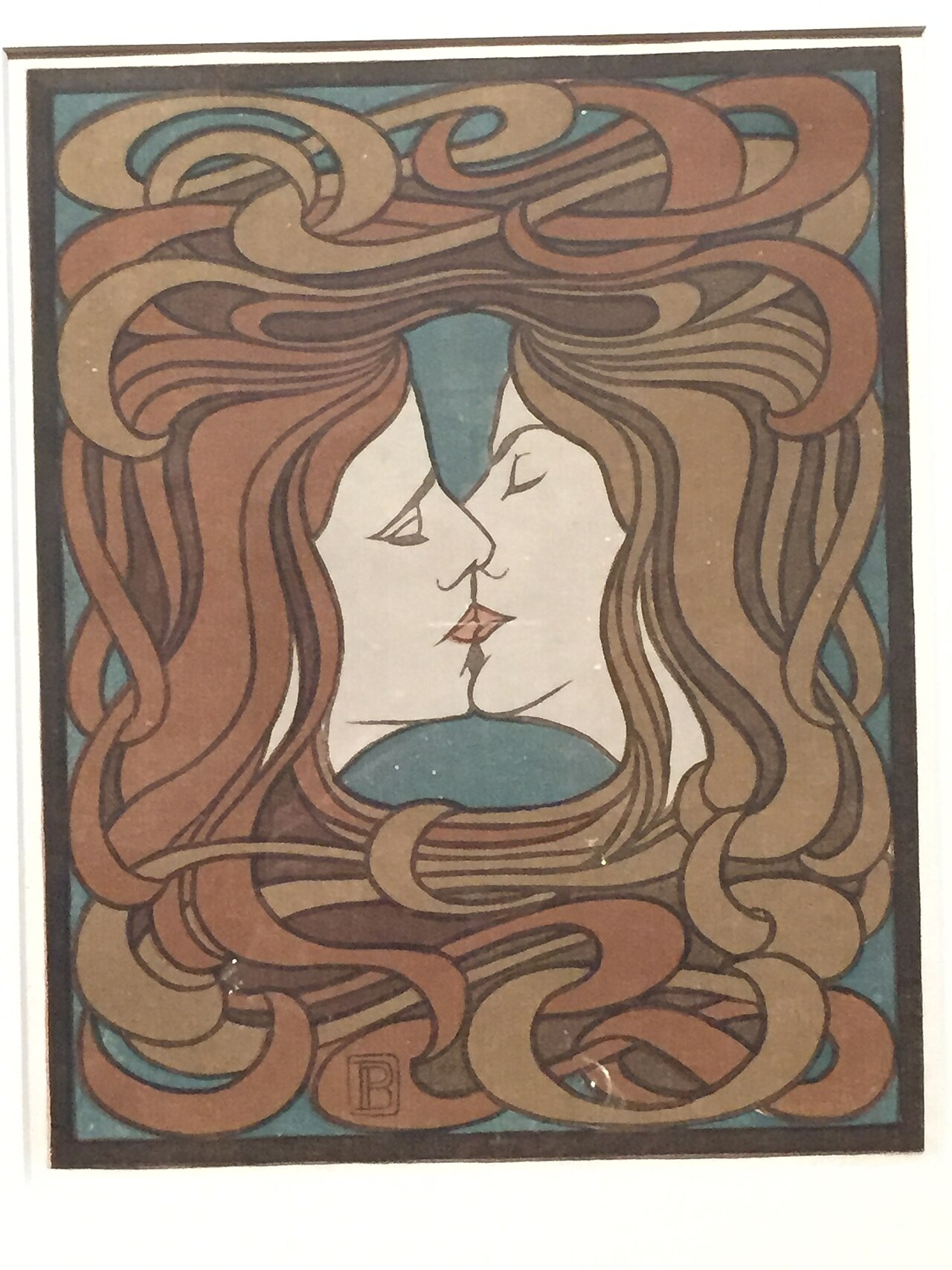
1. Art Nouveau
1890–1910
|
Flowing organic lines, botanical ornament and decorative lettering turn commercial graphics into elegant illustrations.
Key designers / influences: Alphonse Mucha; Henri de Toulouse-Lautrec Suggested reference: Mucha — JOB poster (1896) |
|
|
2. Early Modernism
1900s–1930s
|
Functional layouts, simplified imagery and clear typography establish a modern language for advertising and identity.
Key designers / influences: Peter Behrens; Lucian Bernhard Suggested reference: Behrens — AEG identity work |
|
|
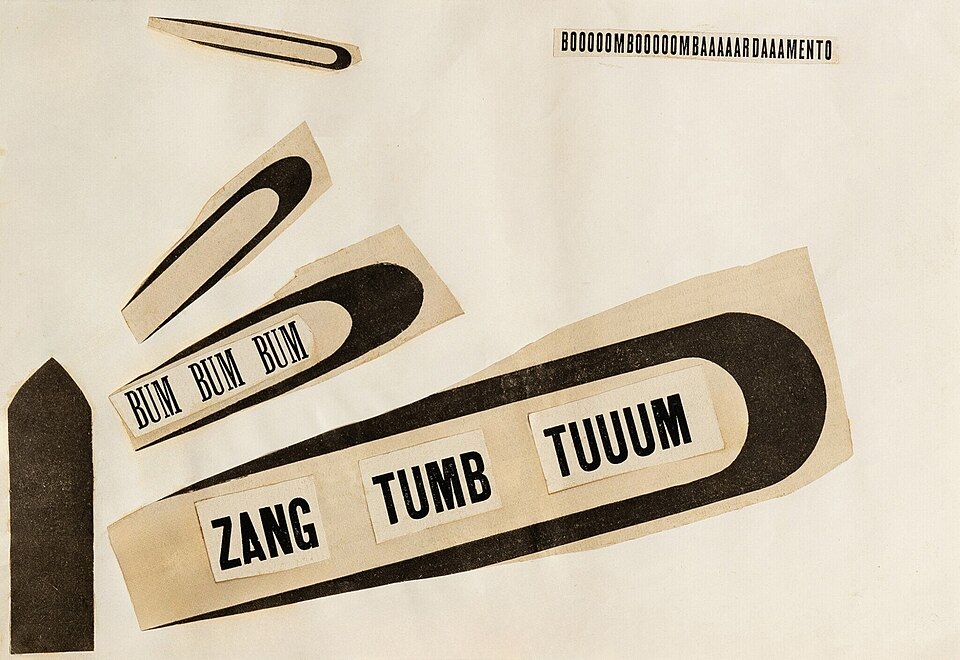
3. Futurism
1909–1940s
|
Dynamic diagonals, fragmented typography and bold composition suggest speed, machinery and motion.
Key designers / influences: F. T. Marinetti; Fortunato Depero Suggested reference: Marinetti — Zang Tumb Tumb (1914) |
|
|
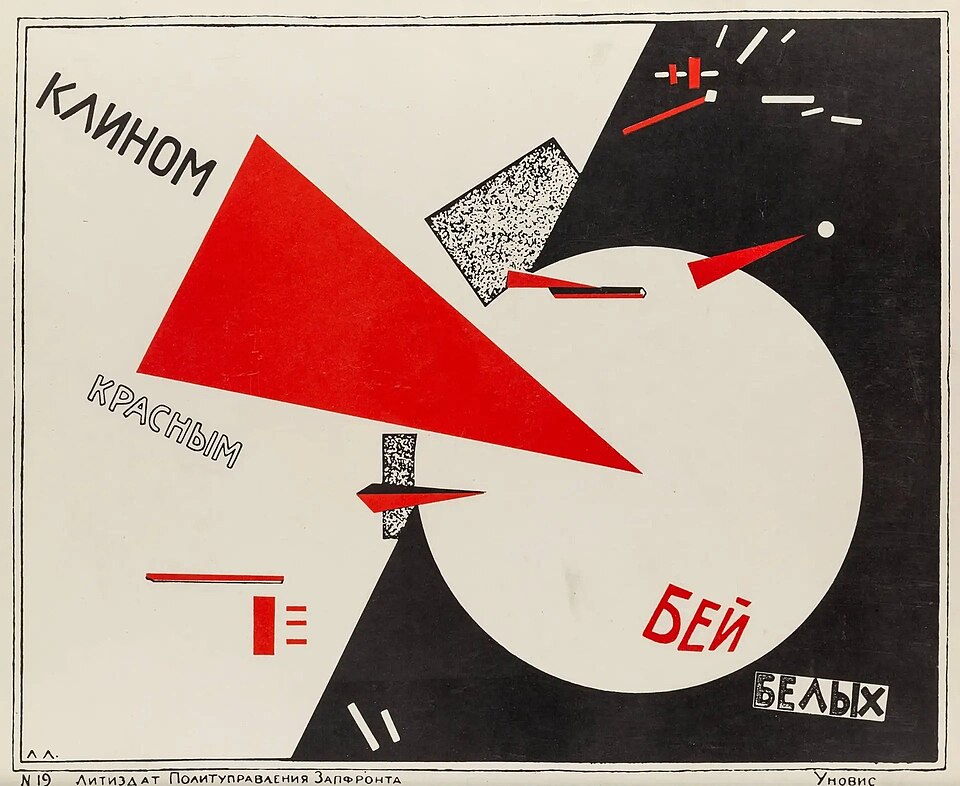
4. Constructivism
1915–1930s
|
Geometric shapes, diagonal structures, photomontage and high-contrast colours communicate urgency and social purpose.
Key designers / influences: El Lissitzky; Alexander Rodchenko; Varvara Stepanova Suggested reference: El Lissitzky — Beat the Whites with the Red Wedge (1919) |
|
|
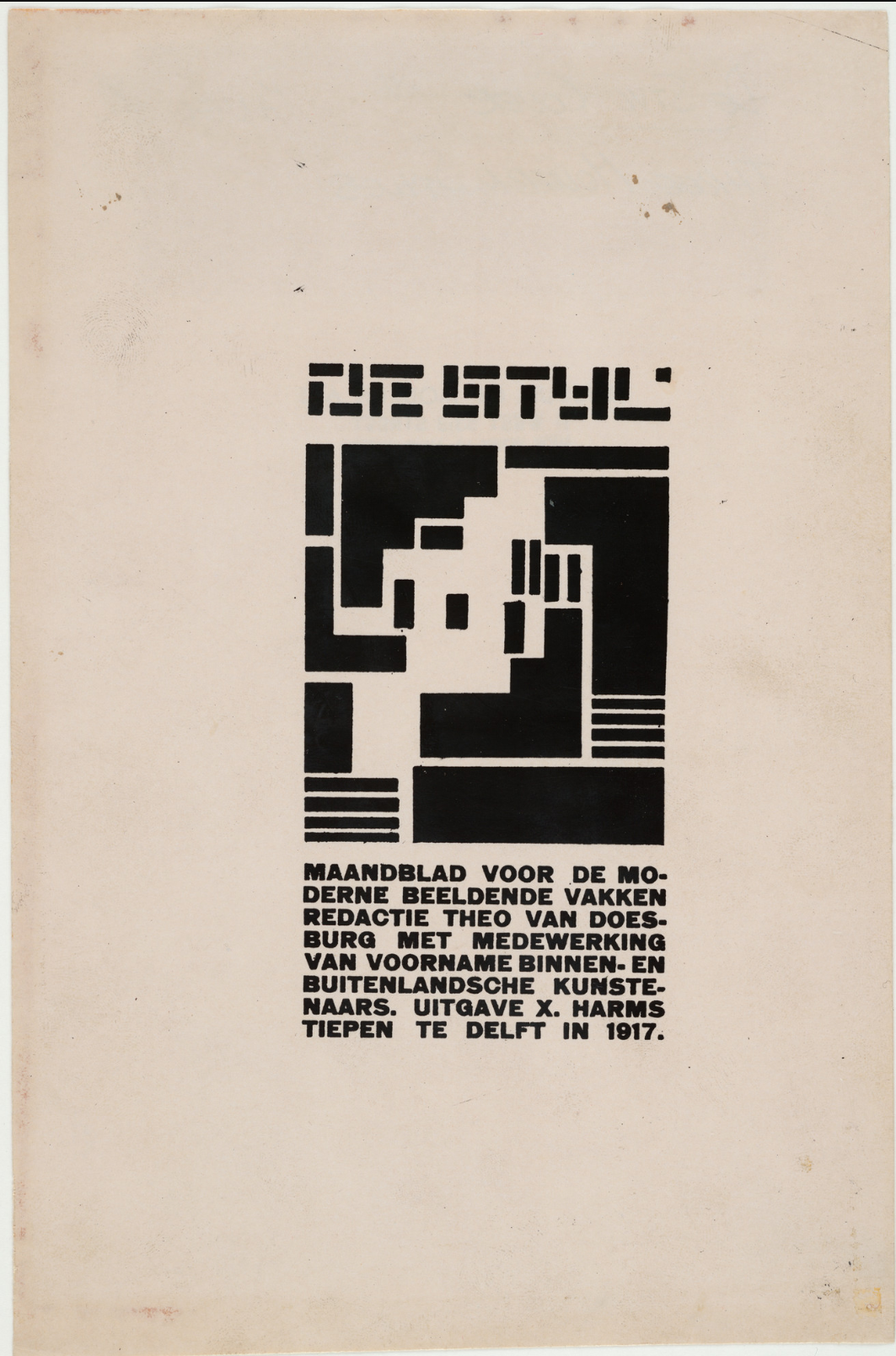
5. De Stijl
1917–1930s
|
Rectangular forms, primary colours and horizontal and vertical lines pursue visual balance and abstraction.
Key designers / influences: Theo van Doesburg; Vilmos Huszár; Piet Mondrian Suggested reference: De Stijl magazine covers |
|
|
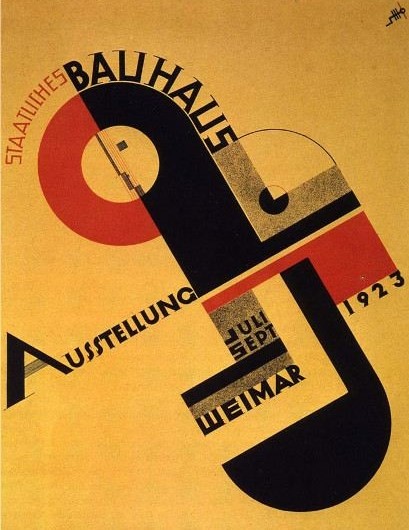
6. Bauhaus
1919–1933
|
Geometric forms, functional typography and primary colours unite art, craft and industrial design.
Key designers / influences: Herbert Bayer; László Moholy-Nagy; Joost Schmidt Suggested reference: Joost Schmidt — Bauhaus exhibition poster (1923) |
|
|
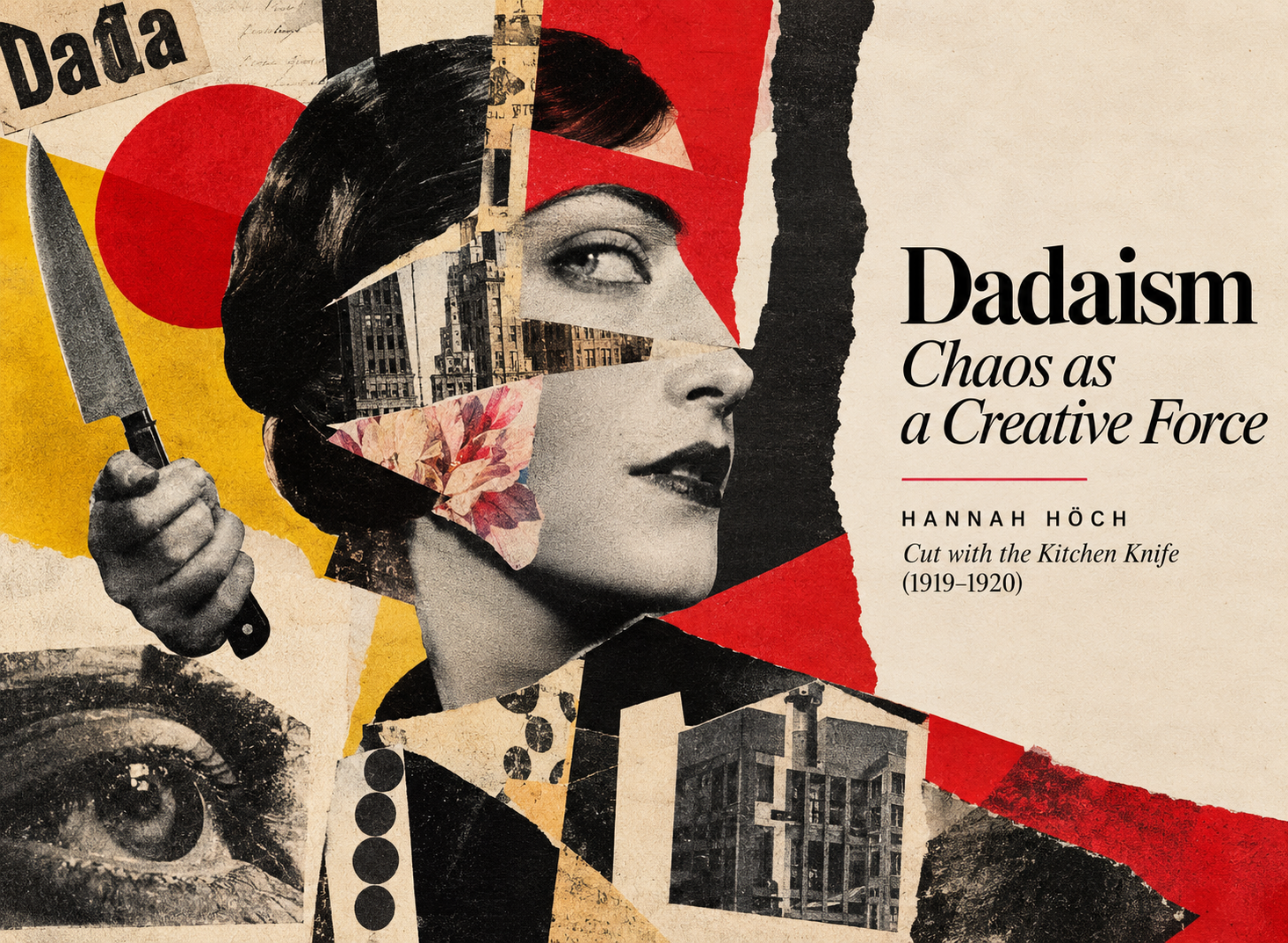
7. Dadaism
1916–1920s
|
Unexpected collage, absurd juxtaposition and deliberately disruptive typography reject conventional artistic order.
Key designers / influences: Hannah Höch; Kurt Schwitters; Raoul Hausmann Suggested reference: Höch — Cut with the Kitchen Knife (1919–20) |
|
|
8. Art Deco
1920s–1940s
|
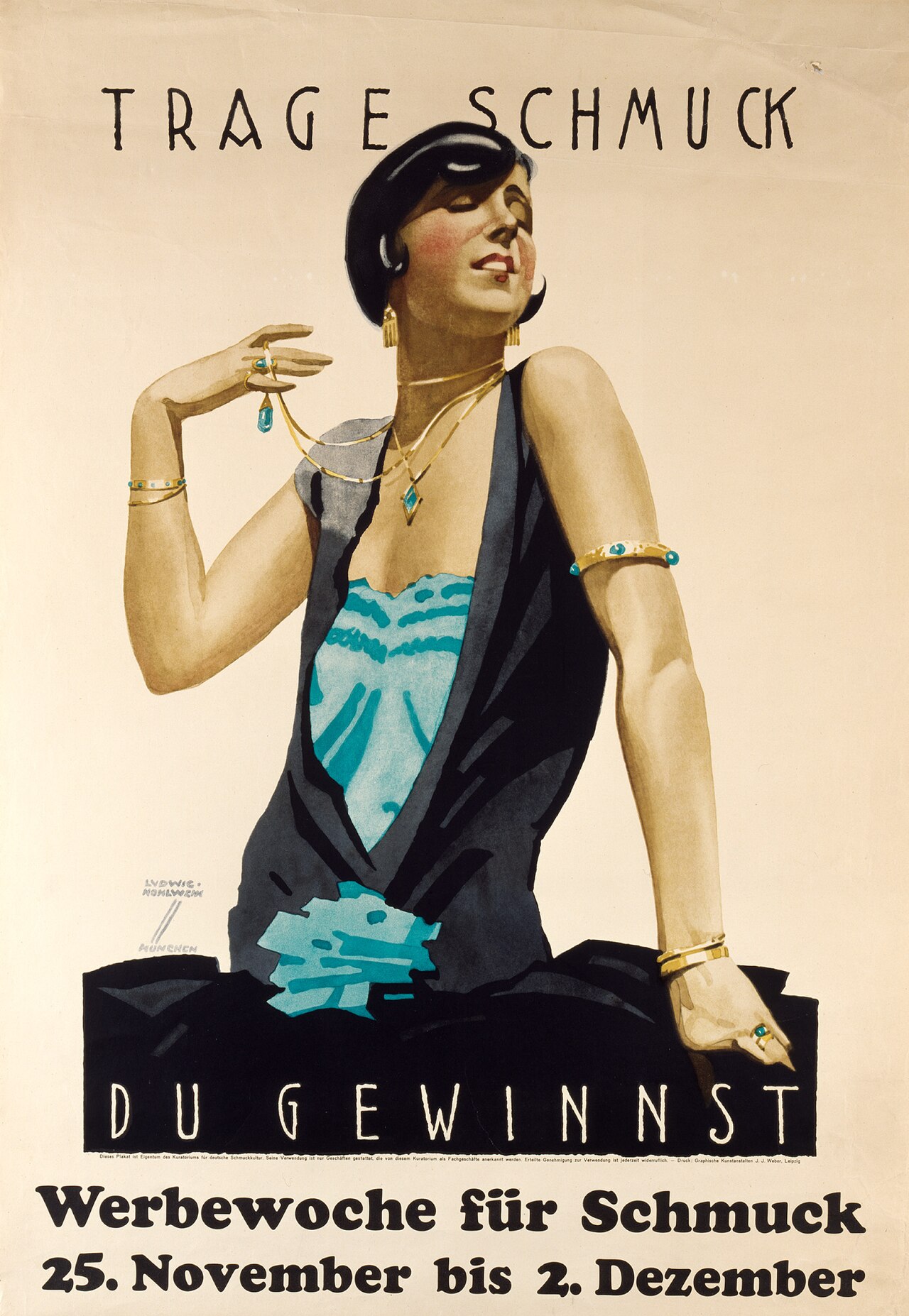
Elegant geometry, symmetry, streamlined shapes and luxurious ornament evoke modern glamour.
Key designers / influences: A. M. Cassandre; Jean Carlu; Paul Colin Suggested reference: Cassandre — Nord Express (1927) |
|
|
9. Photomontage and New Typography
1920s–1940s
|
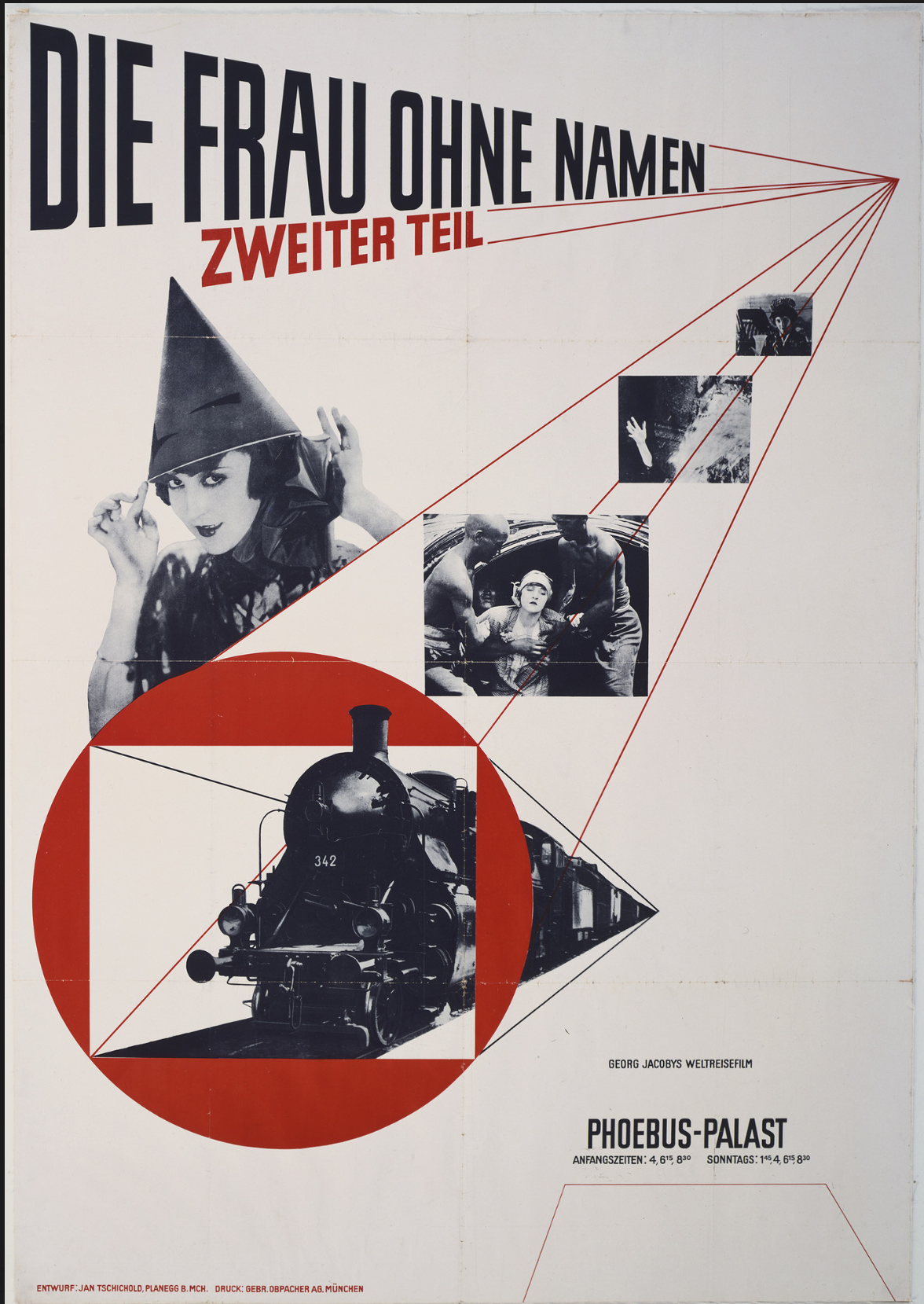
Asymmetrical typography, cropped photographs and image layering reshape editorial and advertising communication.
Key designers / influences: Jan Tschichold; Herbert Matter; John Heartfield Suggested reference: Herbert Matter — Swiss tourism posters |
|
|
10. Surrealism
1920s onward
|
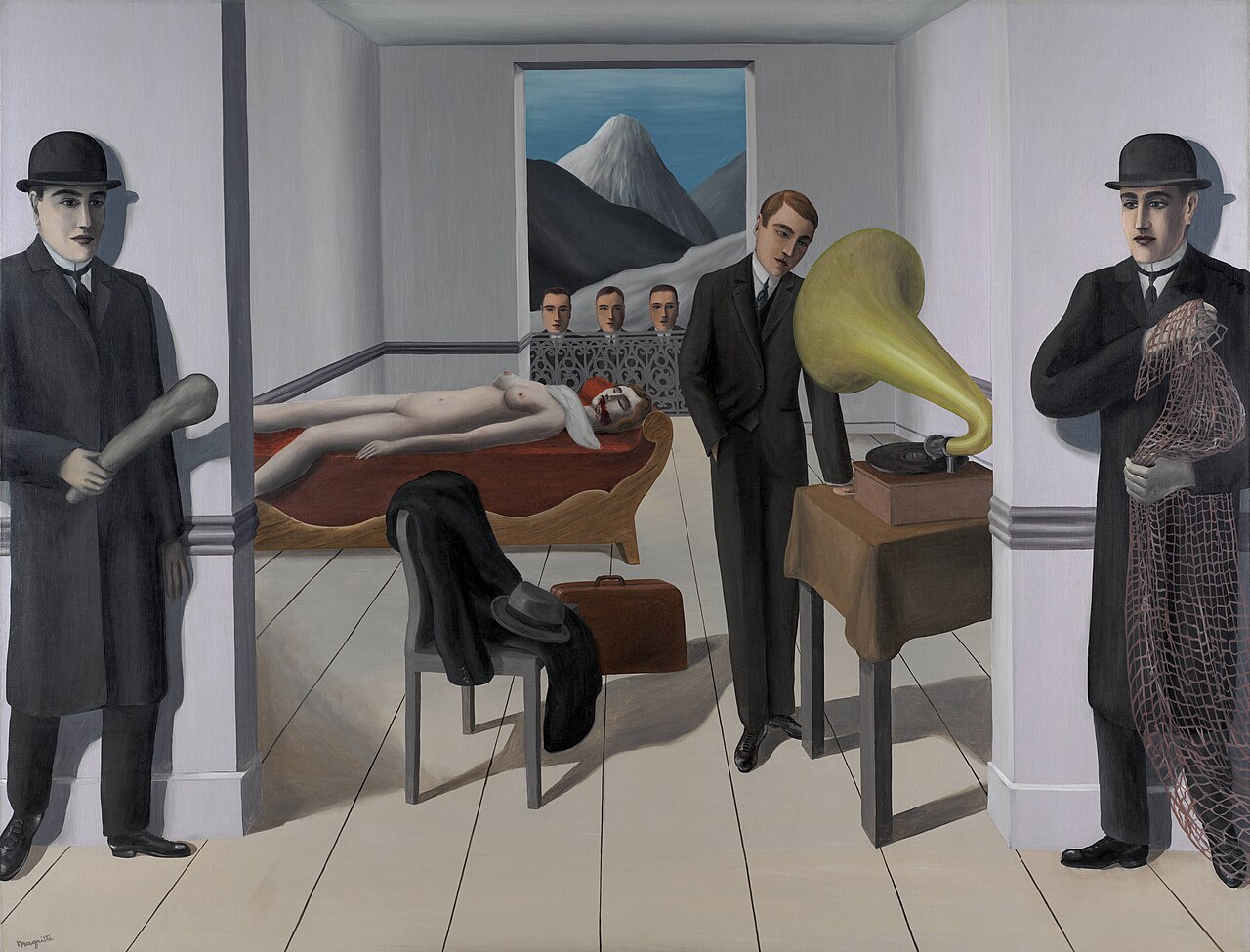
Dream imagery and impossible combinations of familiar objects create poetic and psychologically charged compositions.
Key designers / influences: René Magritte; Salvador Dalí; Max Ernst Suggested reference: Magritte — The Treachery of Images (1929) |
Mid-century and visual identity
| Visual example | Style / period | Characteristics and references |
|---|---|---|
|
|
11. Swiss Style / International Typographic Style
1950s–1970s
|
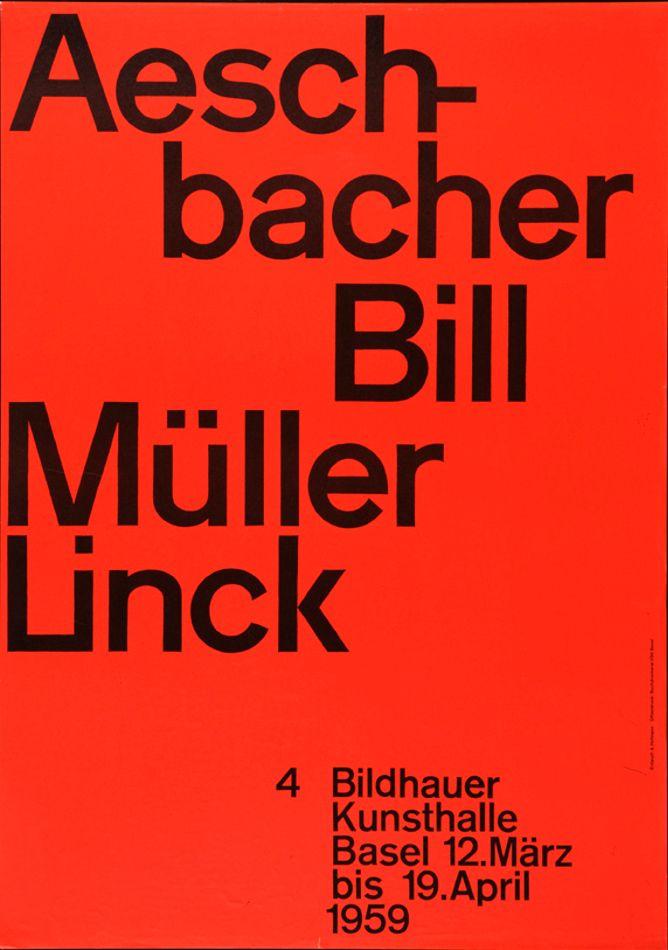
Grid systems, sans-serif lettering, asymmetry and disciplined hierarchy prioritise legibility and clarity.
Key designers / influences: Josef Müller-Brockmann; Armin Hofmann; Emil Ruder Suggested reference: Müller-Brockmann — Beethoven poster (1955) |
|
|
12. Mid-Century Modern
1940s–1960s
|
Simplified illustrations, strong shapes and playful yet disciplined typography define modern commercial communication.
Key designers / influences: Paul Rand; Saul Bass; Alvin Lustig Suggested reference: Paul Rand — corporate identity work |
|
|
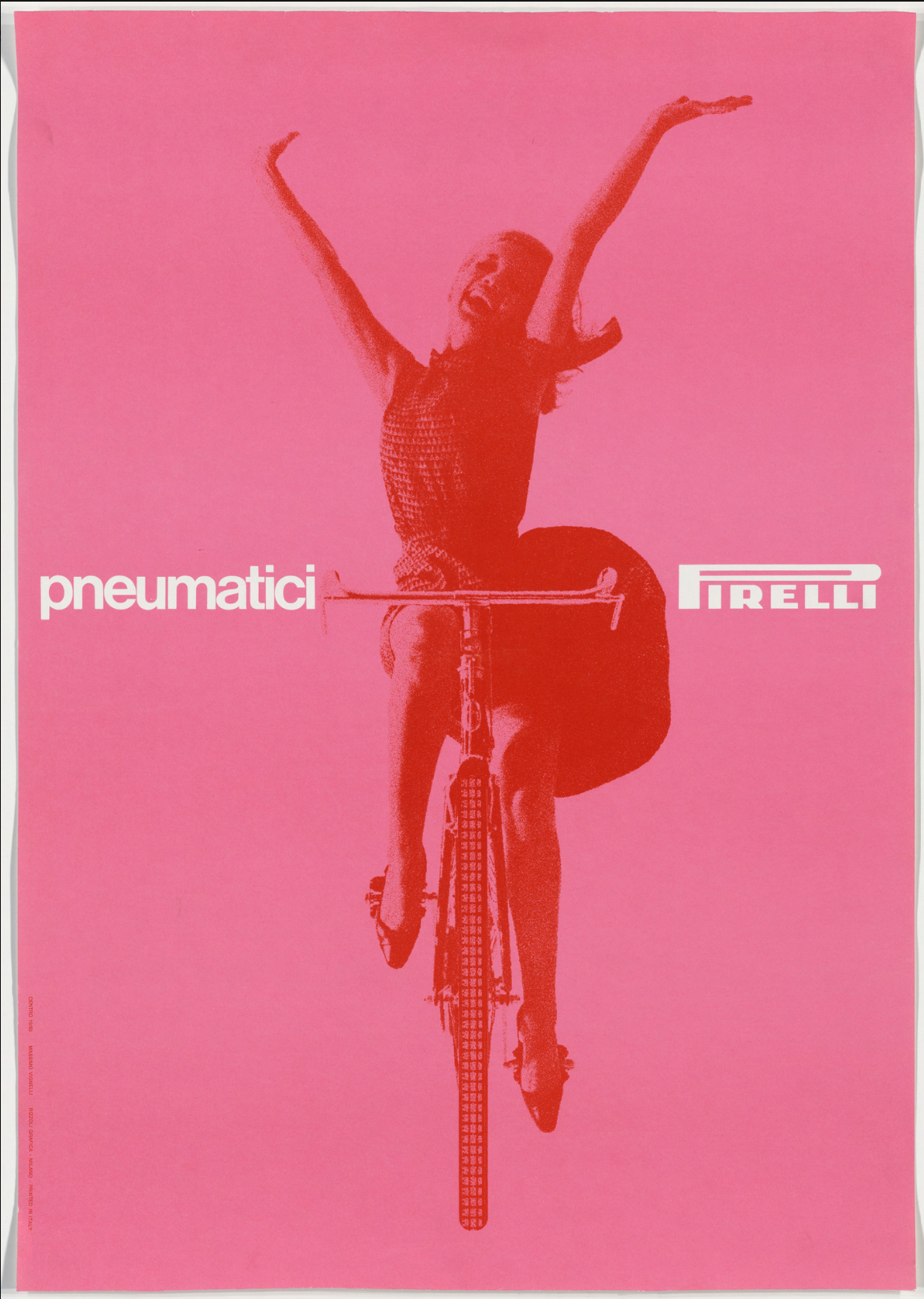
13. Minimalism
1960s onward
|
Negative space, restrained palettes and purposeful typography reduce the design to its essential elements.
Key designers / influences: Massimo Vignelli; Dieter Rams Suggested reference: Vignelli — identity and information design |
|
|
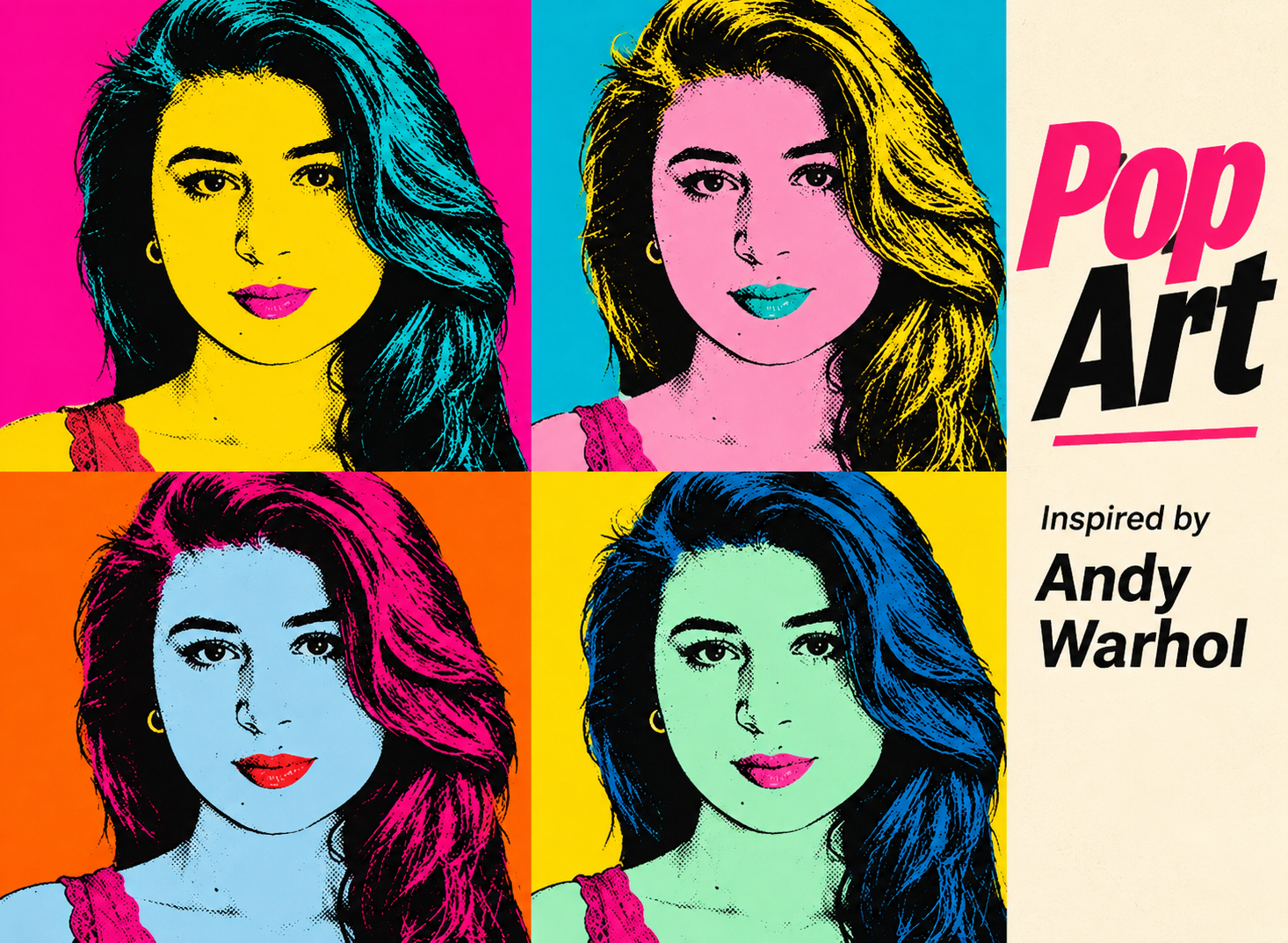
14. Pop Art
1950s–1970s
|
Bold outlines, bright colours, repetition and mass-media imagery transform popular culture into visual art.
Key designers / influences: Andy Warhol; Roy Lichtenstein; Richard Hamilton Suggested reference: Warhol — Marilyn screenprints |
|
|
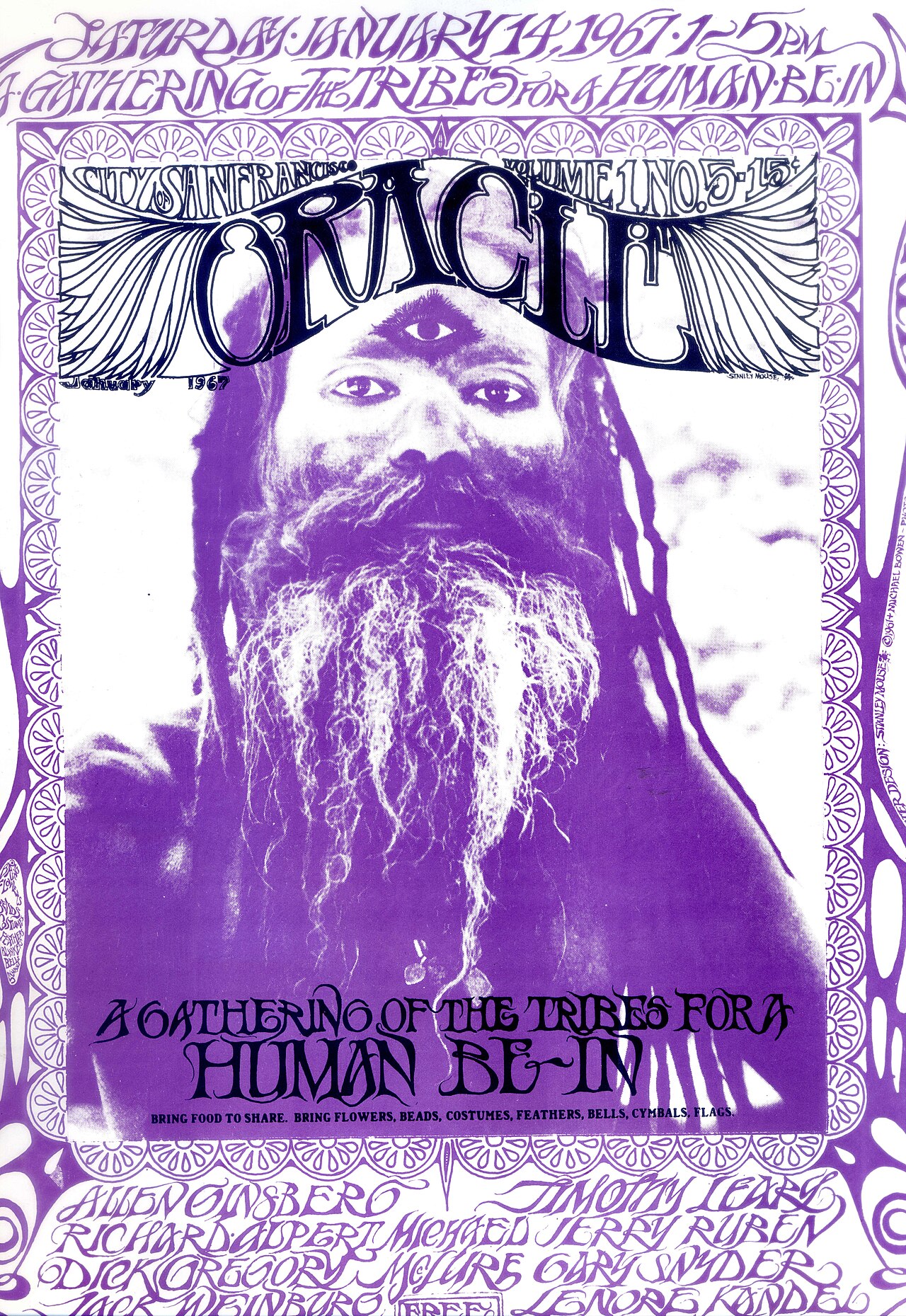
15. Psychedelic Design
1960s–1970s
|
Distorted lettering, vivid colour and swirling patterns create immersive, countercultural visual experiences.
Key designers / influences: Wes Wilson; Victor Moscoso; Bonnie MacLean Suggested reference: 1960s San Francisco concert posters |
|
|
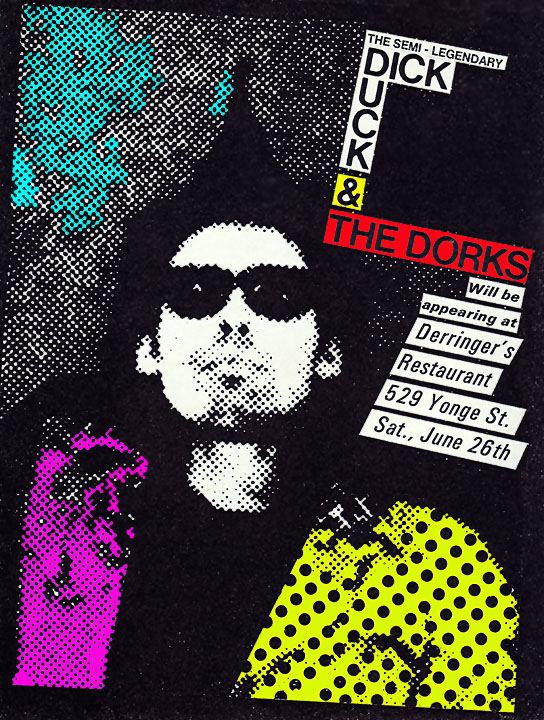
16. Punk / DIY Design
1970s–1980s
|
Rough photocopies, torn-paper collage and mismatched lettering communicate rebellion and independence.
Key designers / influences: Jamie Reid; Barney Bubbles; Linder Sterling Suggested reference: Jamie Reid — Sex Pistols artwork |
|
|
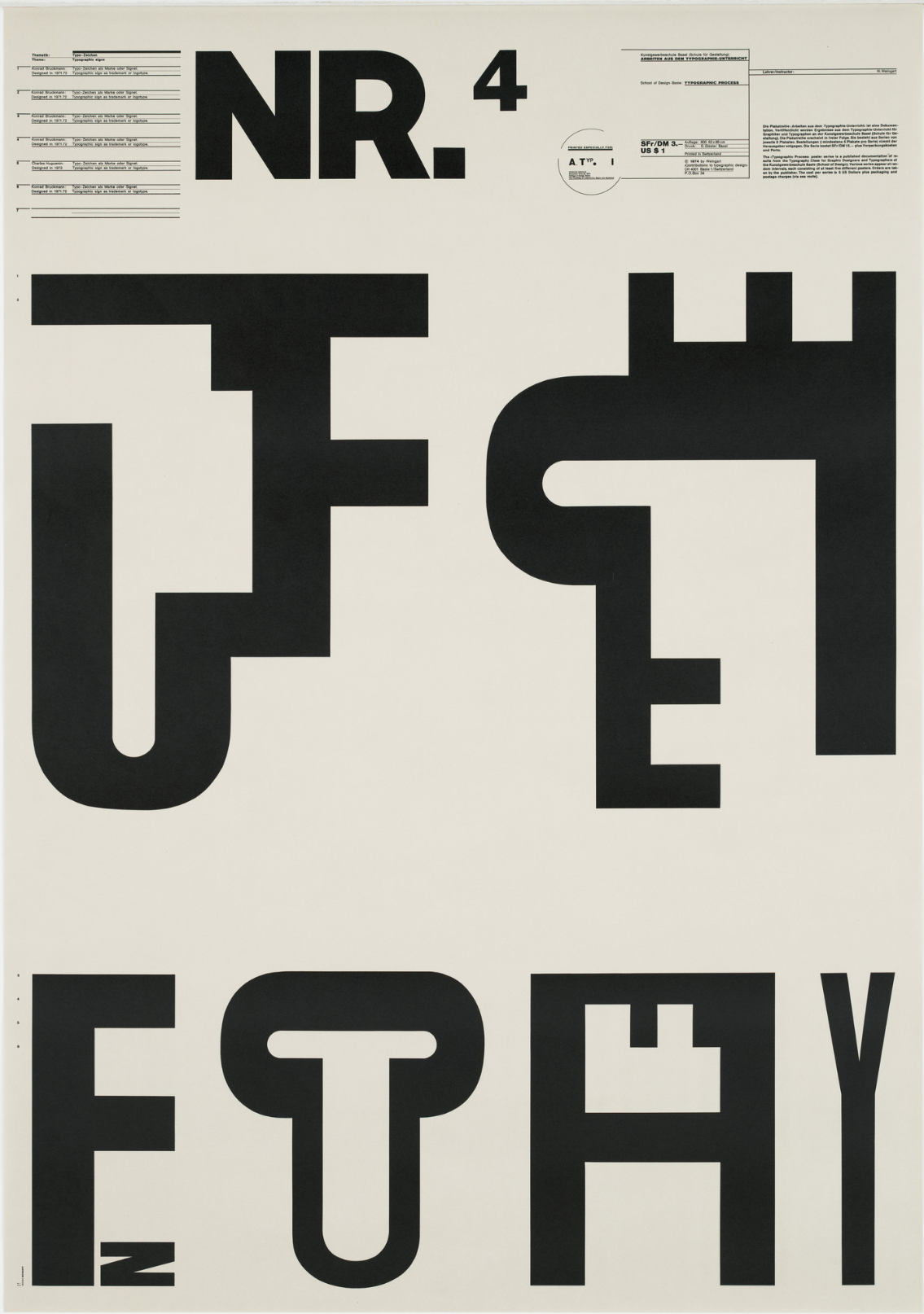
17. New Wave Typography
1970s–1990s
|
Layered lettering, irregular spacing and experimental grids challenge Swiss typographic discipline.
Key designers / influences: Wolfgang Weingart; April Greiman; Dan Friedman Suggested reference: April Greiman — experimental posters |
|
|
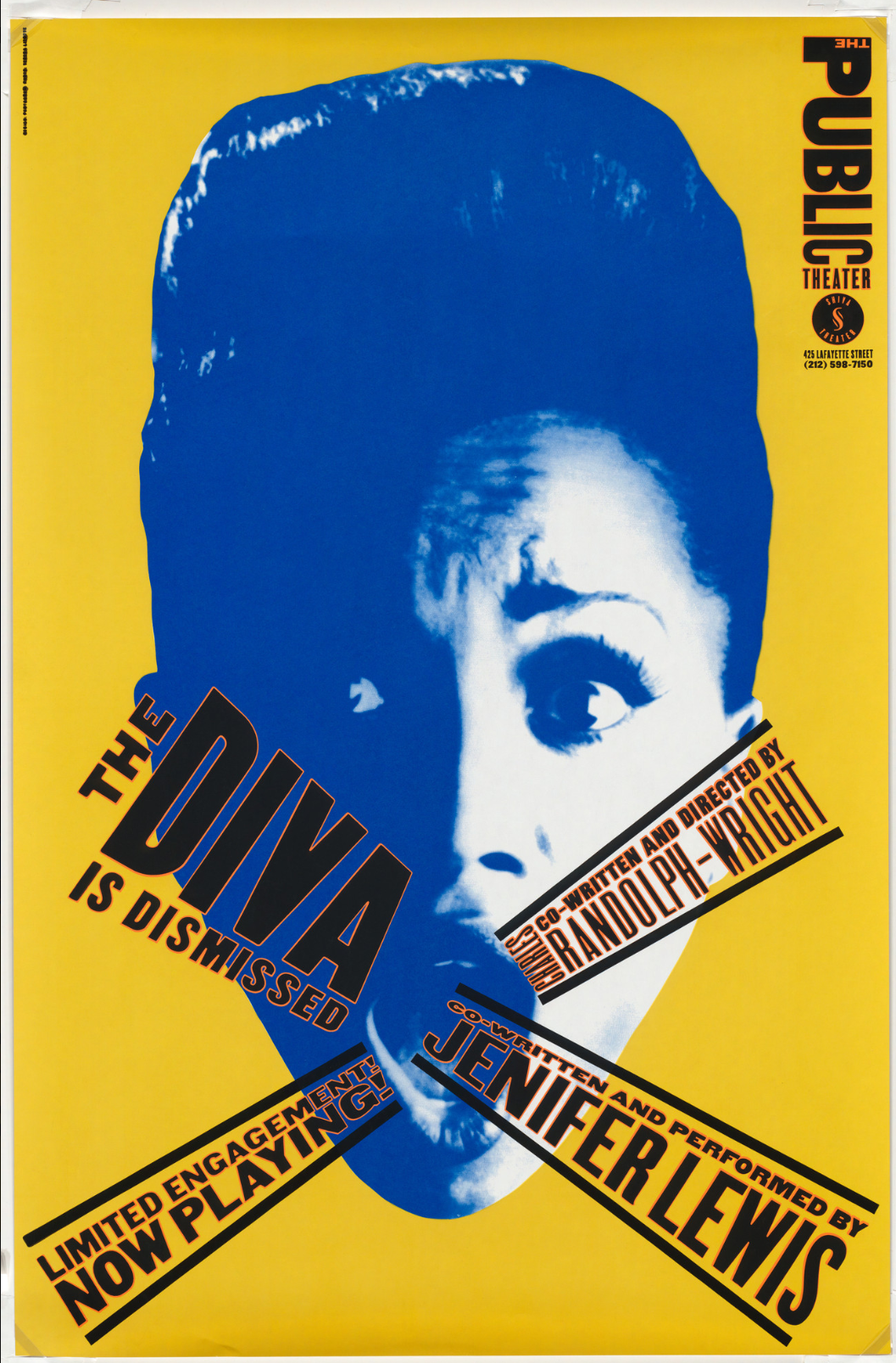
18. Postmodernism / Memphis Design
1970s–1990s
|
Playful geometry, saturated colours and deliberate stylistic clashes reject modernist restraint.
Key designers / influences: Ettore Sottsass; Paula Scher; Neville Brody Suggested reference: Memphis Milano graphic patterns |

Digital and experimental
| Visual example | Style / period | Characteristics and references |
|---|---|---|
|
|
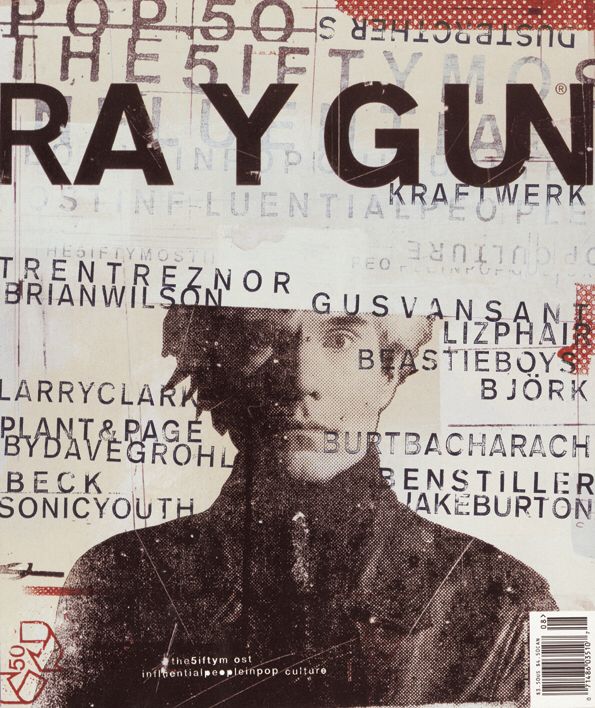
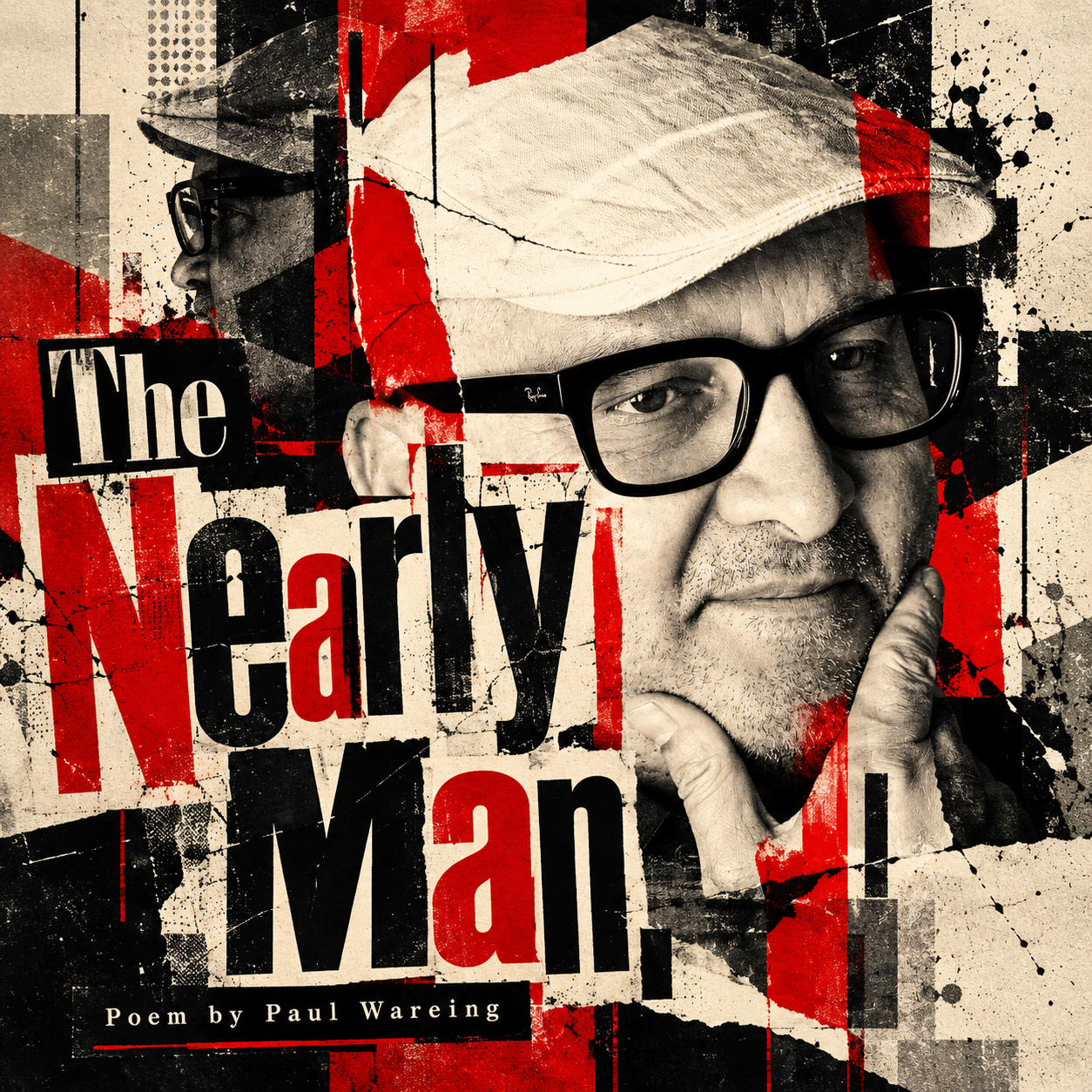
19. Grunge Design
1990s–2000s
|
Distressed surfaces, chaotic layering and irregular typography evoke alternative music and underground publishing.
Key designers / influences: David Carson; Chris Ashworth Suggested reference: Ray Gun magazine |
|
|
20. Experimental Typography
1980s onward
|
Letters are stretched, fragmented and rearranged as expressive visual forms rather than neutral text.
Key designers / influences: Neville Brody; Stefan Sagmeister; Zuzana Licko Suggested reference: Neville Brody — The Face magazine |
|
|
21. Deconstructivism
1980s onward
|
Fragmentation, displaced type and overlapping elements challenge stable composition and conventional hierarchy.
Key designers / influences: Katherine McCoy; David Carson Suggested reference: Cranbrook experimental editorial work |
|
|
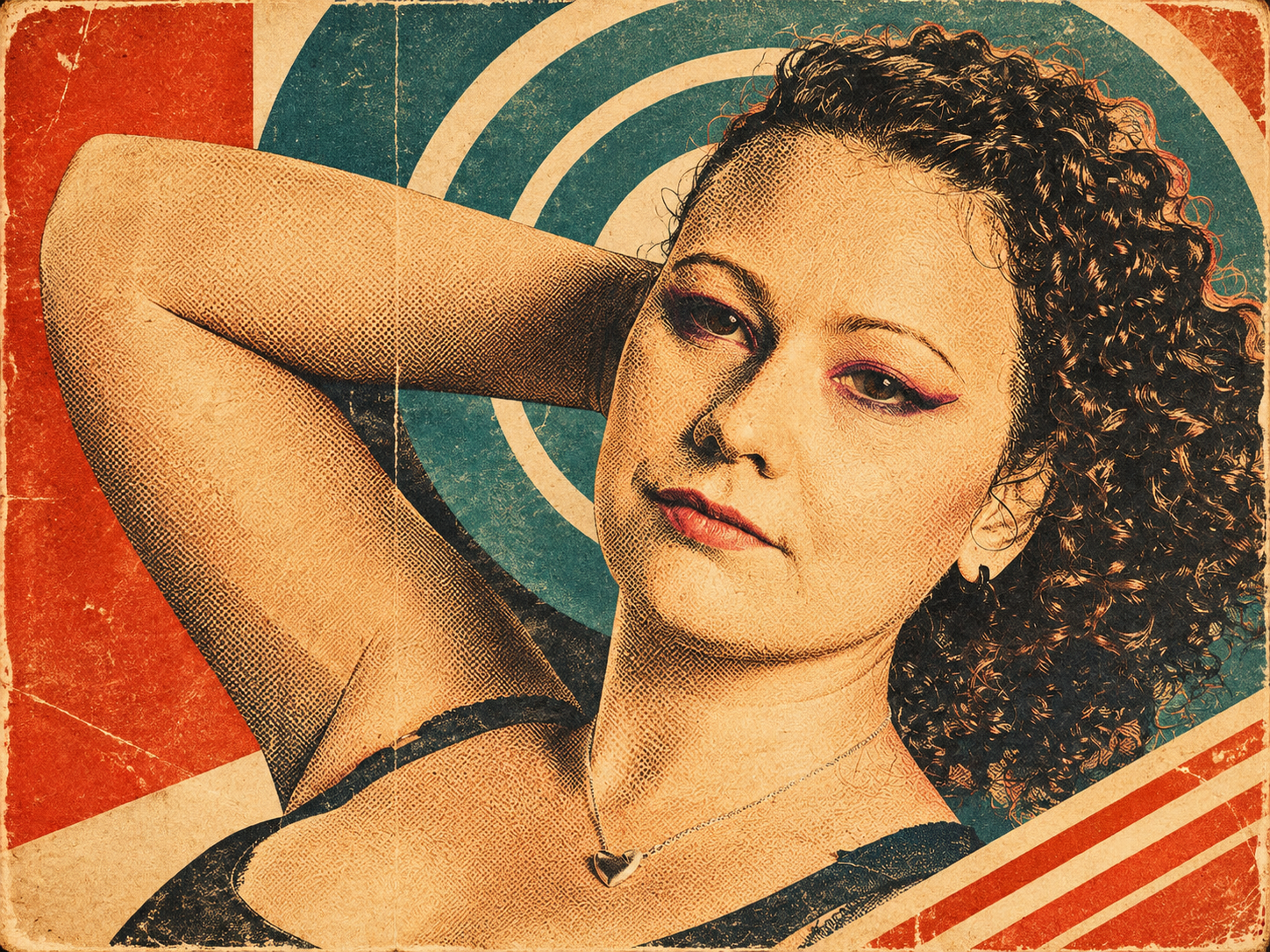
22. Retro and Vintage Design
Revival across periods
|
Historic lettering, nostalgic palettes and aged textures reinterpret graphic languages of earlier decades.
Key designers / influences: Various historical designers Suggested reference: Mid-century travel and commercial posters |
|
|
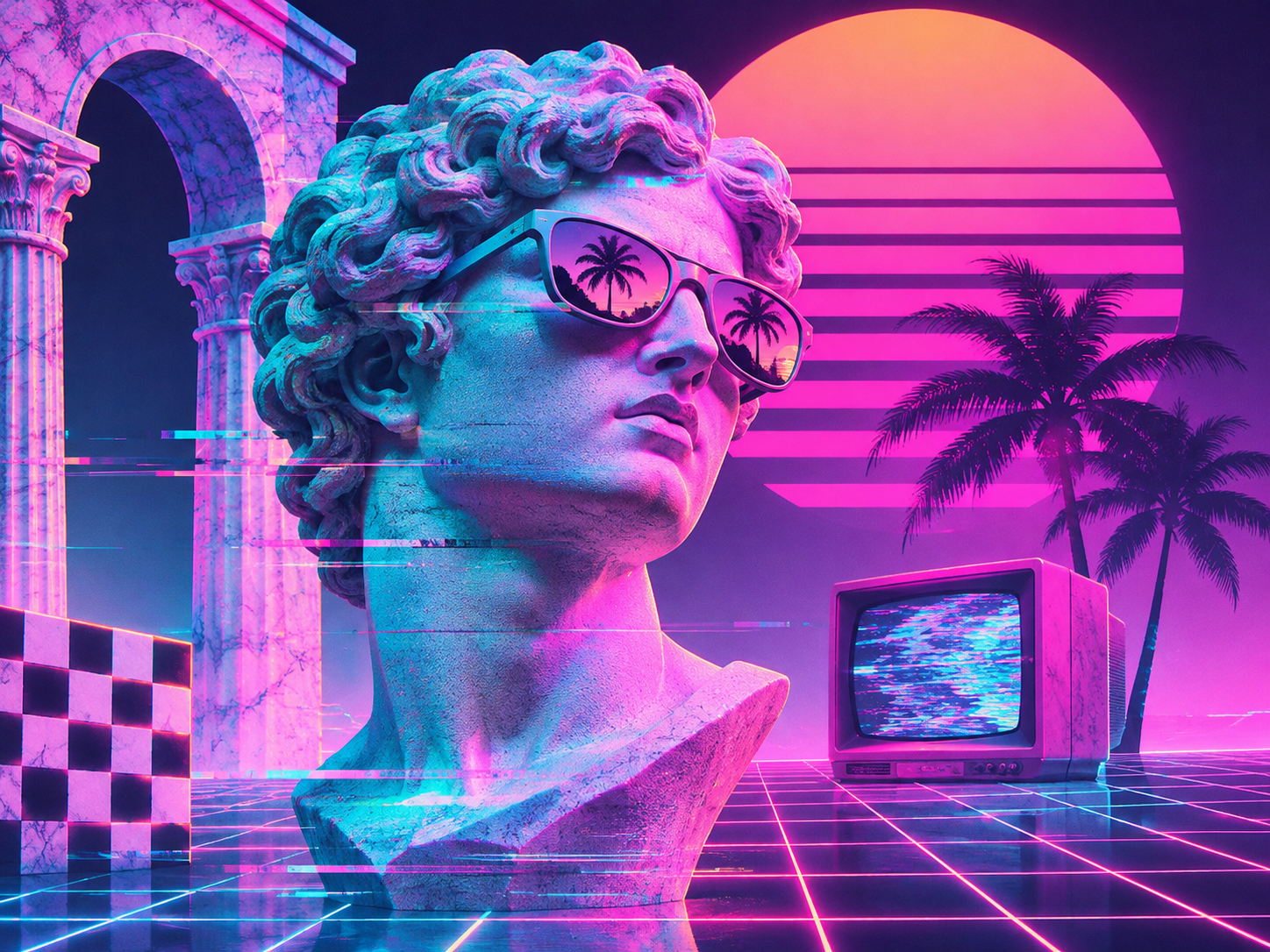
23. Vaporwave
2010s onward
|
Retro computer graphics, neon gradients and nostalgic consumer imagery evoke surreal digital culture.
Key designers / influences: Internet-art and music communities Suggested reference: Early vaporwave cover aesthetics |
|
|
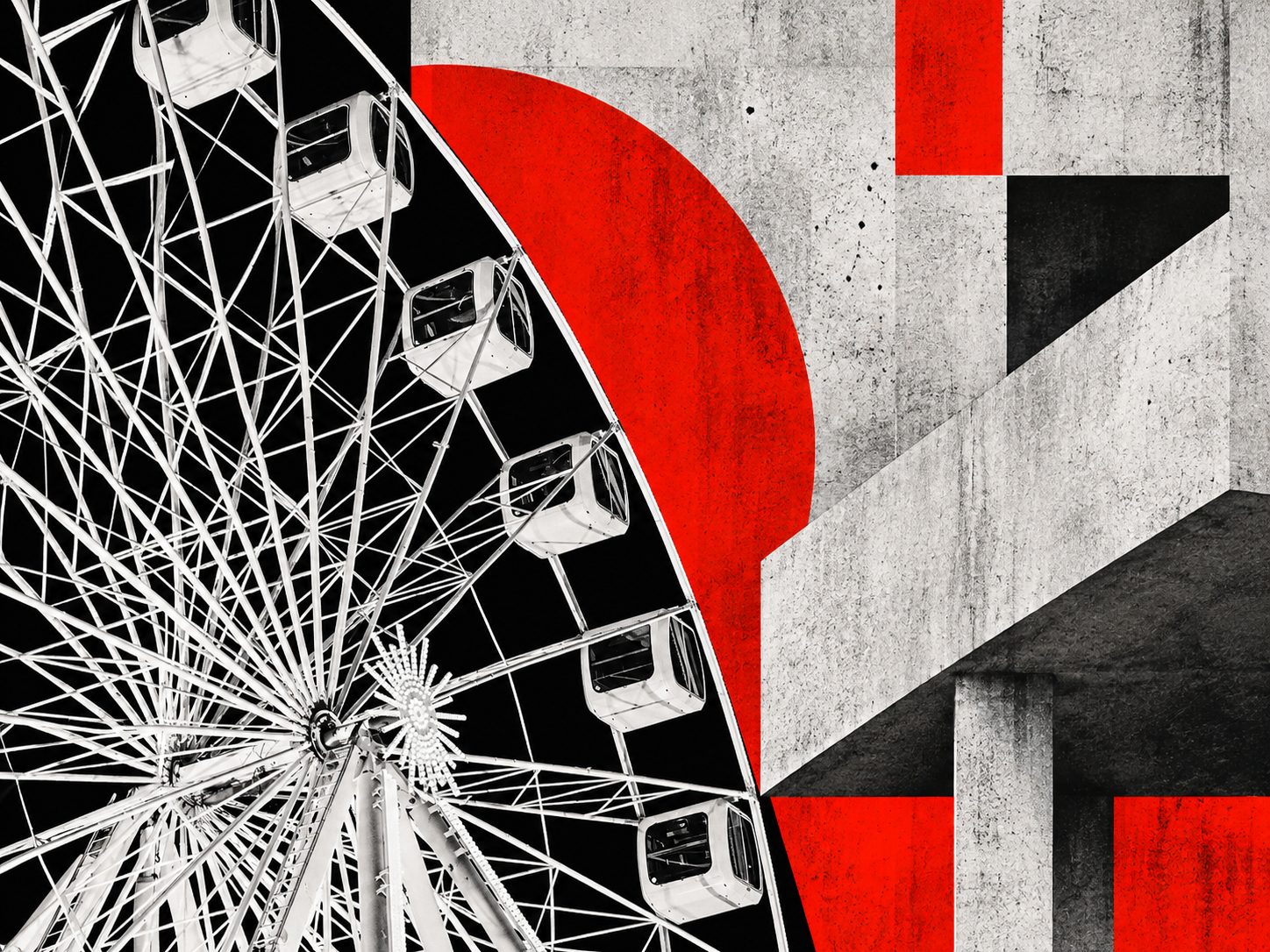
24. Brutalism / Neo-Brutalism
Contemporary
|
Raw typography, sharp contrasts and intentionally uncompromising layouts challenge polished design conventions.
Key designers / influences: Contemporary digital designers Suggested reference: Brutalist editorial and web design |
|
|
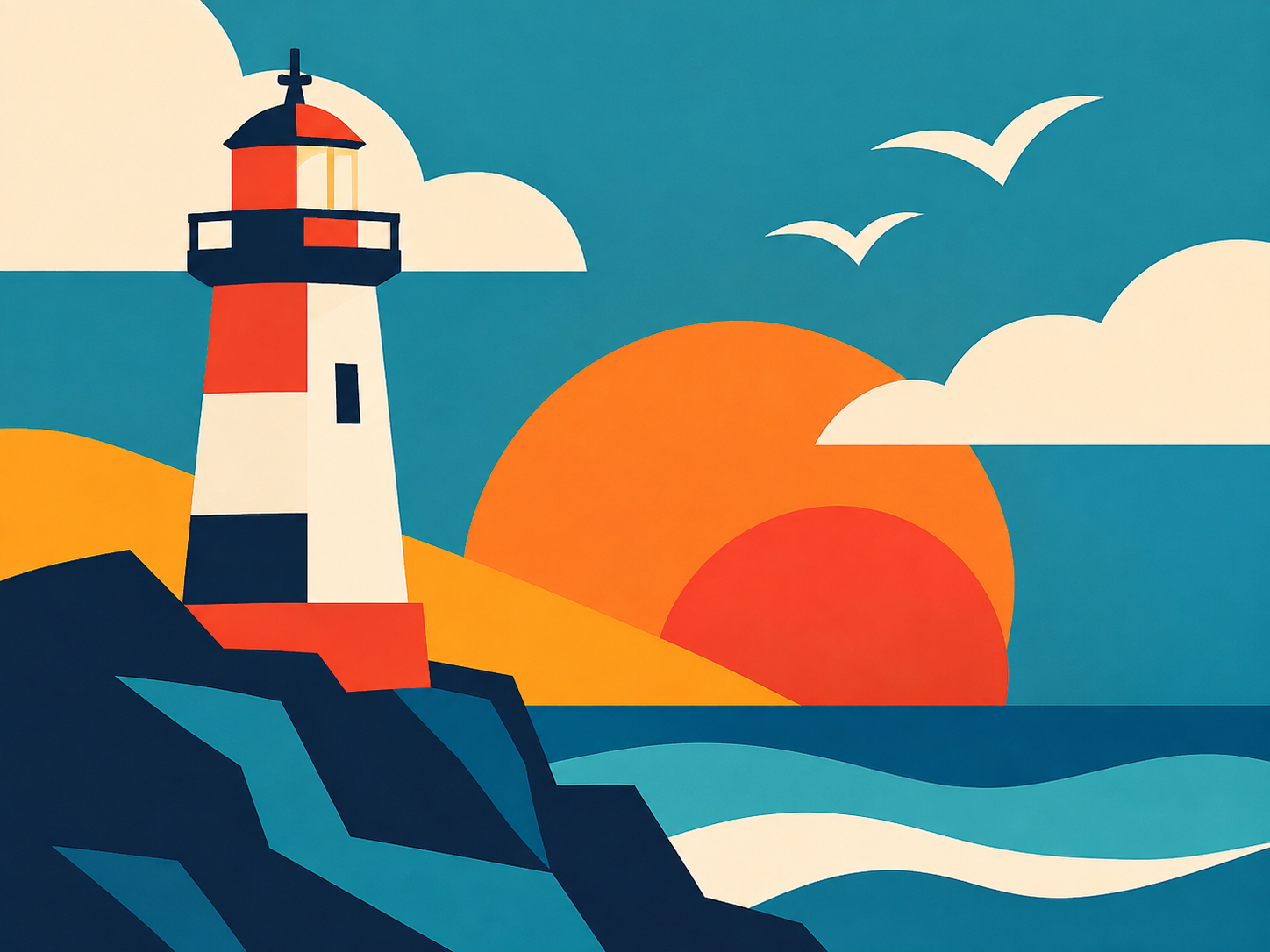
25. Flat Design
2010s onward
|
Solid colours, simple icons and reduced shading make digital communication direct and consistent.
Key designers / influences: Digital product design teams Suggested reference: Flat interface icon systems |
|
|
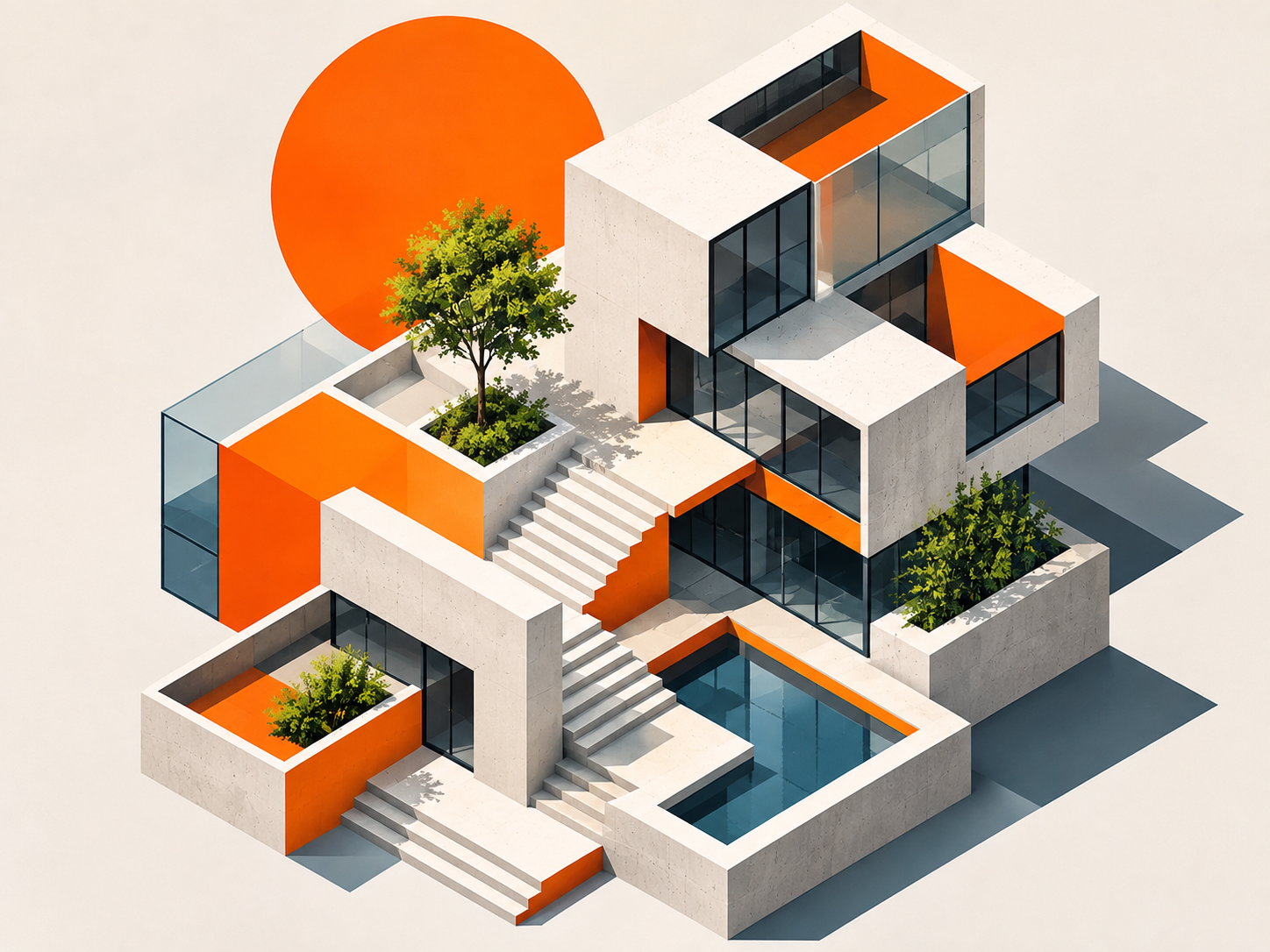
26. Isometric Design
Contemporary
|
Parallel-angle illustrations suggest three-dimensional environments for diagrams, technology and information graphics.
Key designers / influences: Technical illustrators; vector designers Suggested reference: Isometric city or technology illustration |
|
|
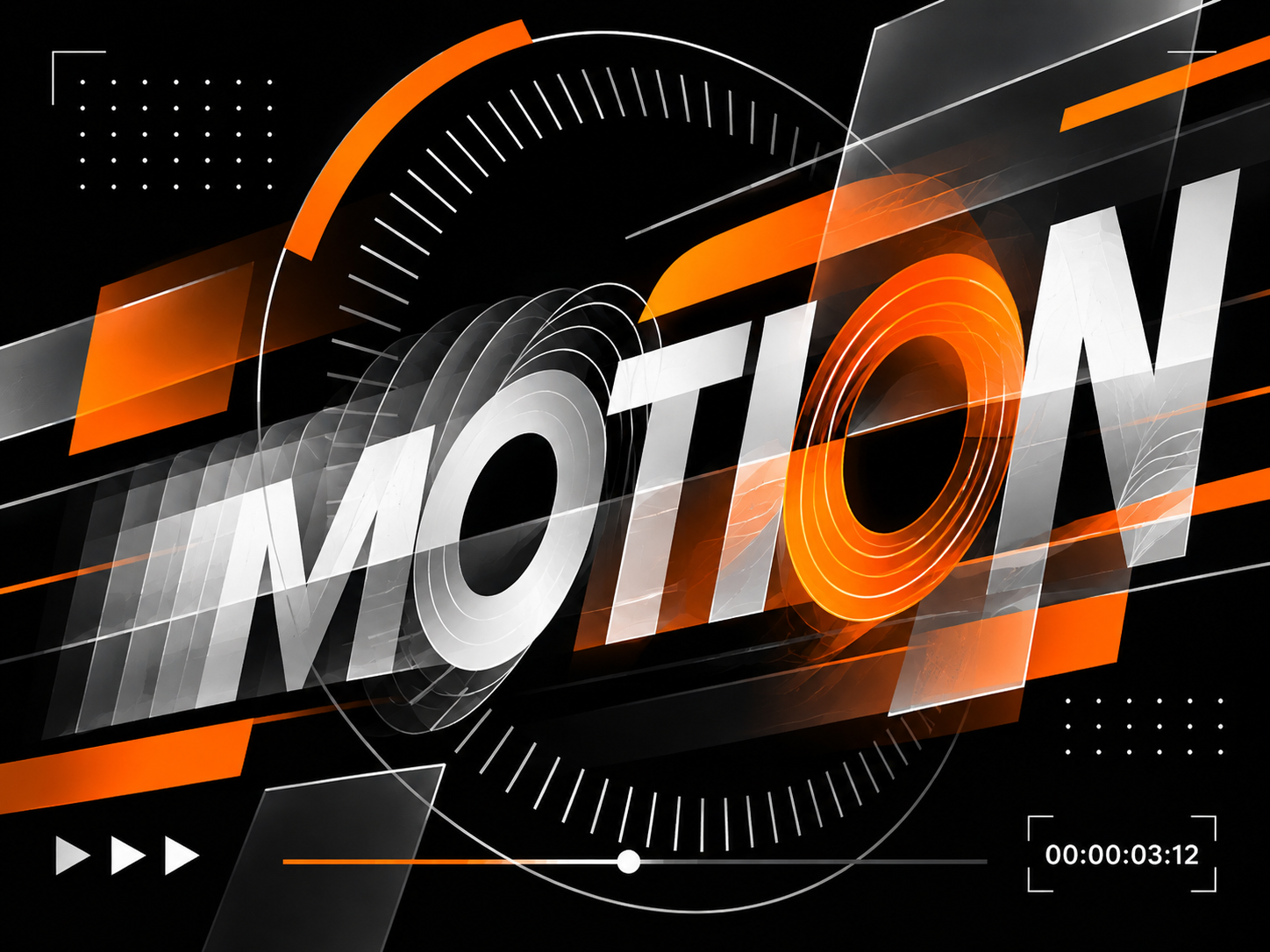
27. Kinetic Typography and Motion Graphics
Digital and moving-image design
|
Animated lettering, rhythm and transitions bring graphic communication into movement and time.
Key designers / influences: Saul Bass; Pablo Ferro; Kyle Cooper Suggested reference: Experimental film title sequences |
|
|
28. Y2K and Futuristic Design
Late 1990s–2000s; revival
|
Metallic lettering, glossy gradients and early digital imagery project technological optimism and nostalgia.
Key designers / influences: Early digital and music designers Suggested reference: Y2K-era music and advertising graphics |

Contemporary visual approaches
| Visual example | Style / period | Characteristics and references |
|---|---|---|
|
|
29. Cinematic Noir
Contemporary aesthetic
|
Deep shadows, atmospheric photography and restrained typography produce mystery and dramatic tension.
Key designers / influences: Film-poster and editorial designers Suggested reference: Noir-inspired editorial poster |
|
|
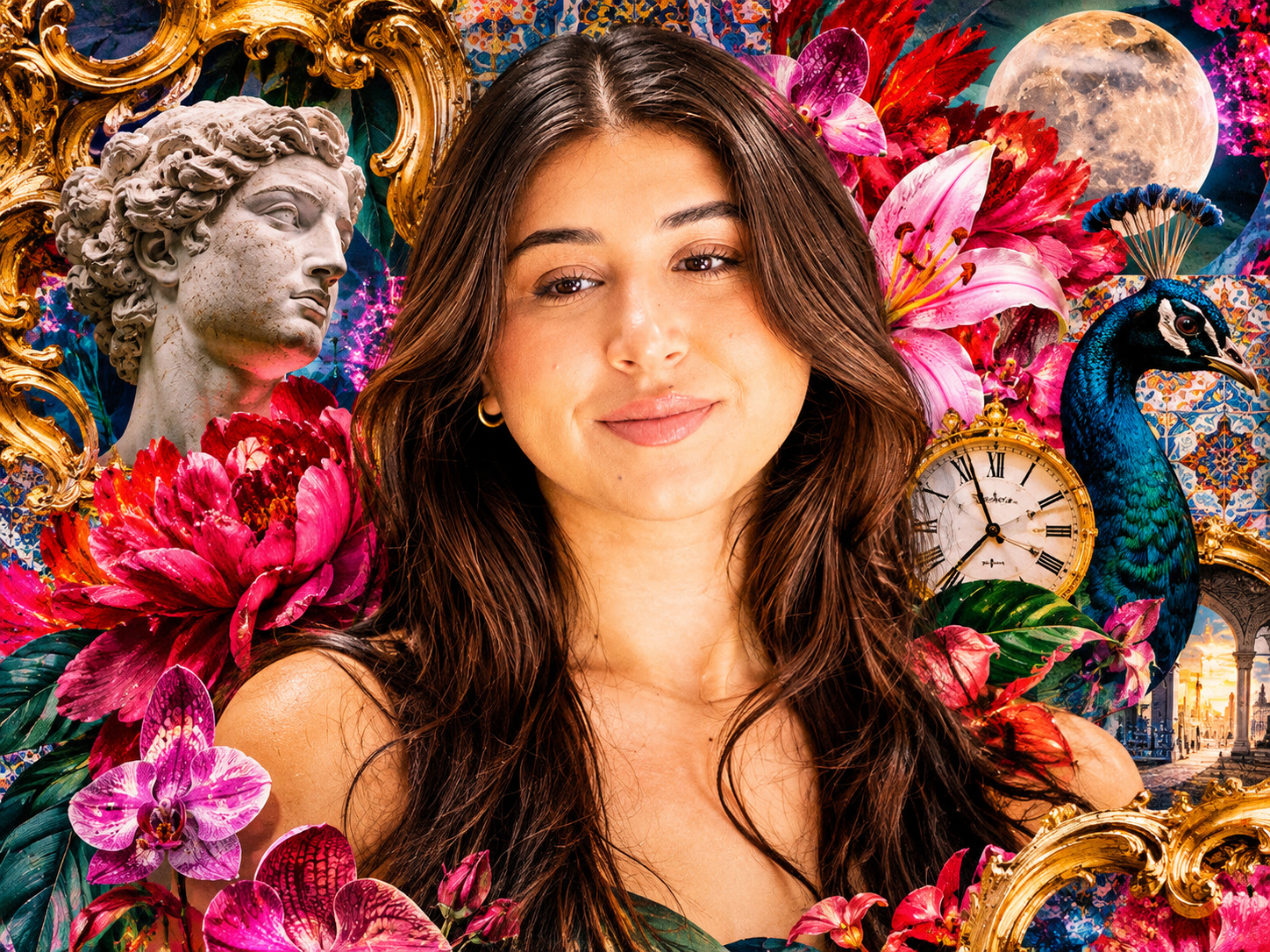
30. Maximalism
Cross-period aesthetic
|
Dense imagery, expressive colour and abundant decoration favour visual intensity over restraint.
Key designers / influences: Contemporary editorial designers Suggested reference: Layered maximalist poster |
|
|
31. Organic and Nature-Inspired Design
Cross-period aesthetic
|
Earthy colours, natural textures and botanical forms suggest warmth and connection to nature.
Key designers / influences: Branding and illustration practitioners Suggested reference: Botanical editorial design |
|
|
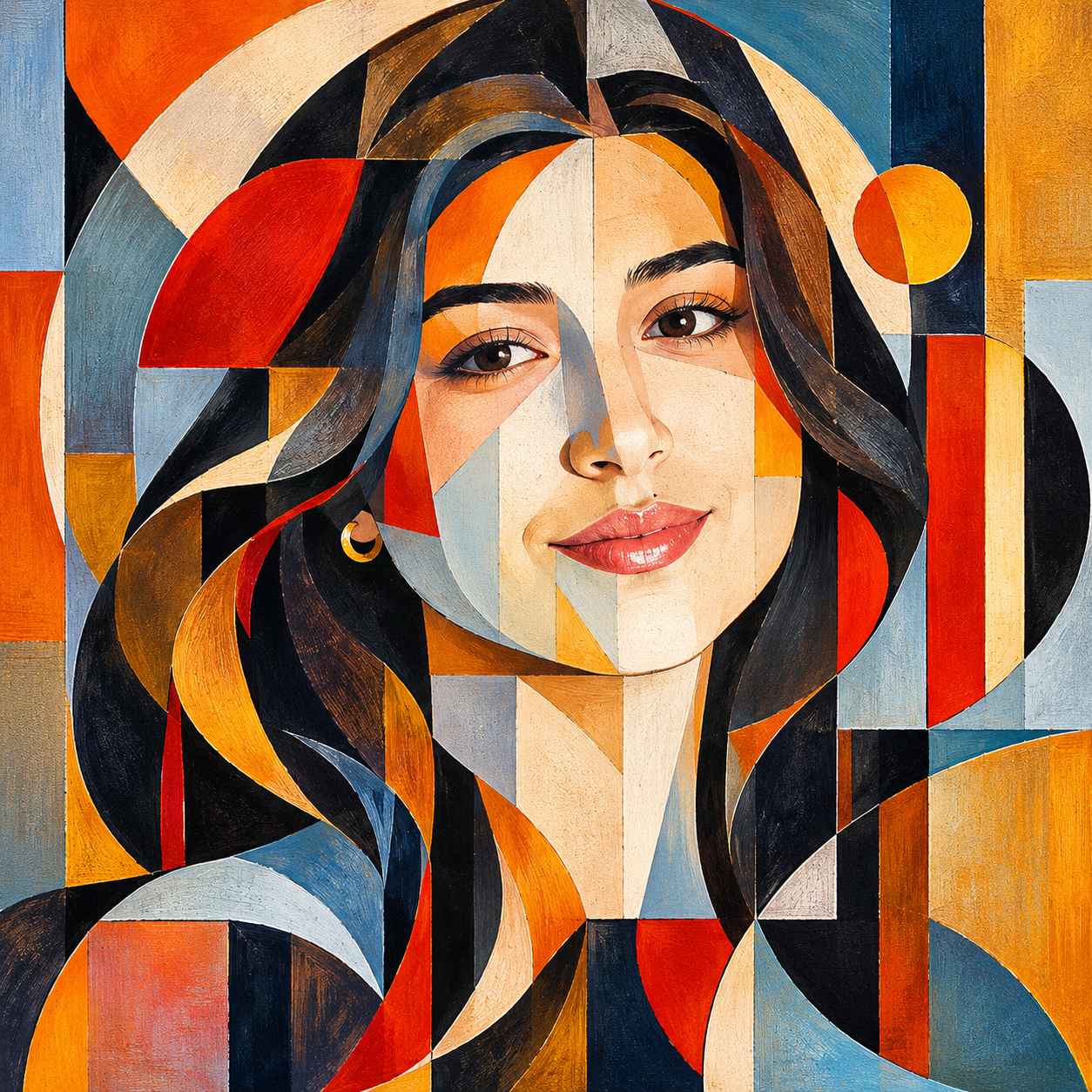
32. Geometric Abstraction
Cross-period aesthetic
|
Circles, grids and abstract shapes organise compositions through rhythm, contrast and structure.
Key designers / influences: Modernist and contemporary designers Suggested reference: Abstract geometric poster |
|
|
33. Duotone Design
Contemporary technique
|
Two-colour image treatments create consistent, high-impact photographic and editorial visuals.
Key designers / influences: Editorial and music designers Suggested reference: Duotone portrait poster |
|
|
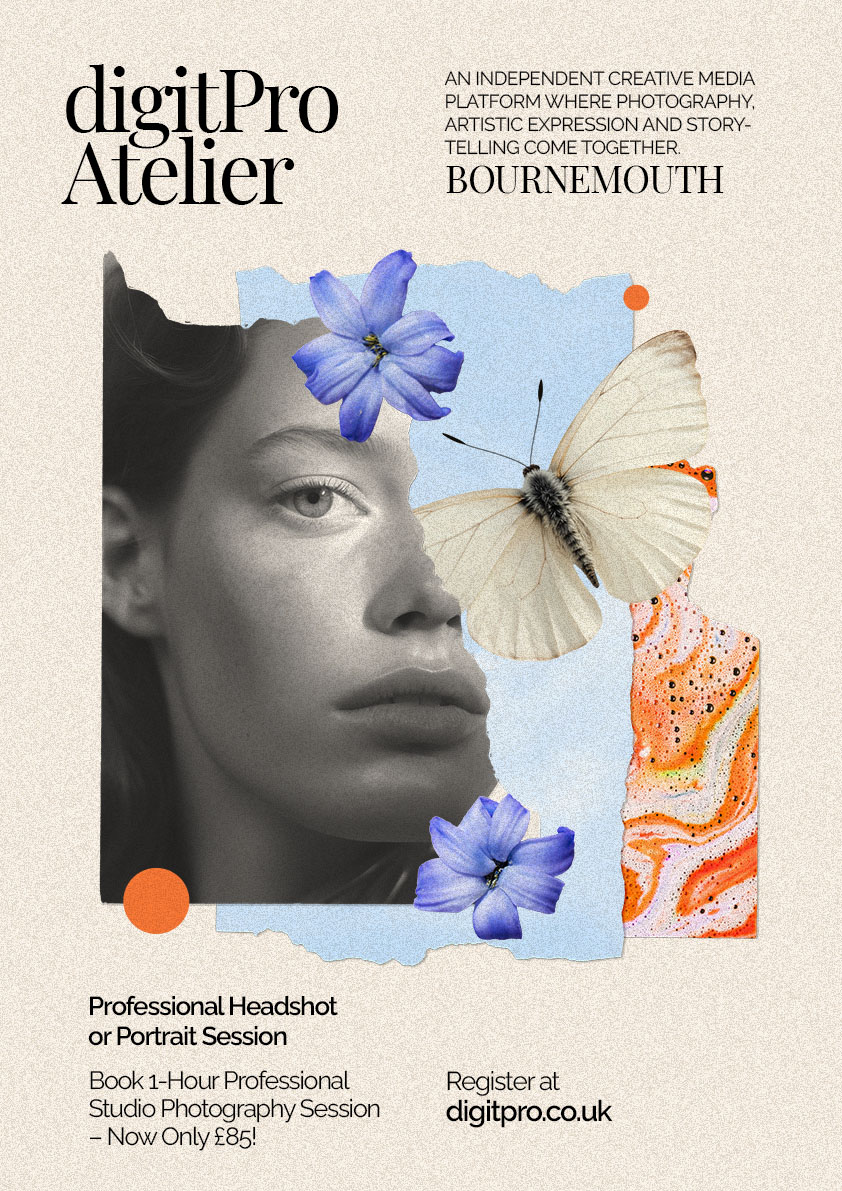
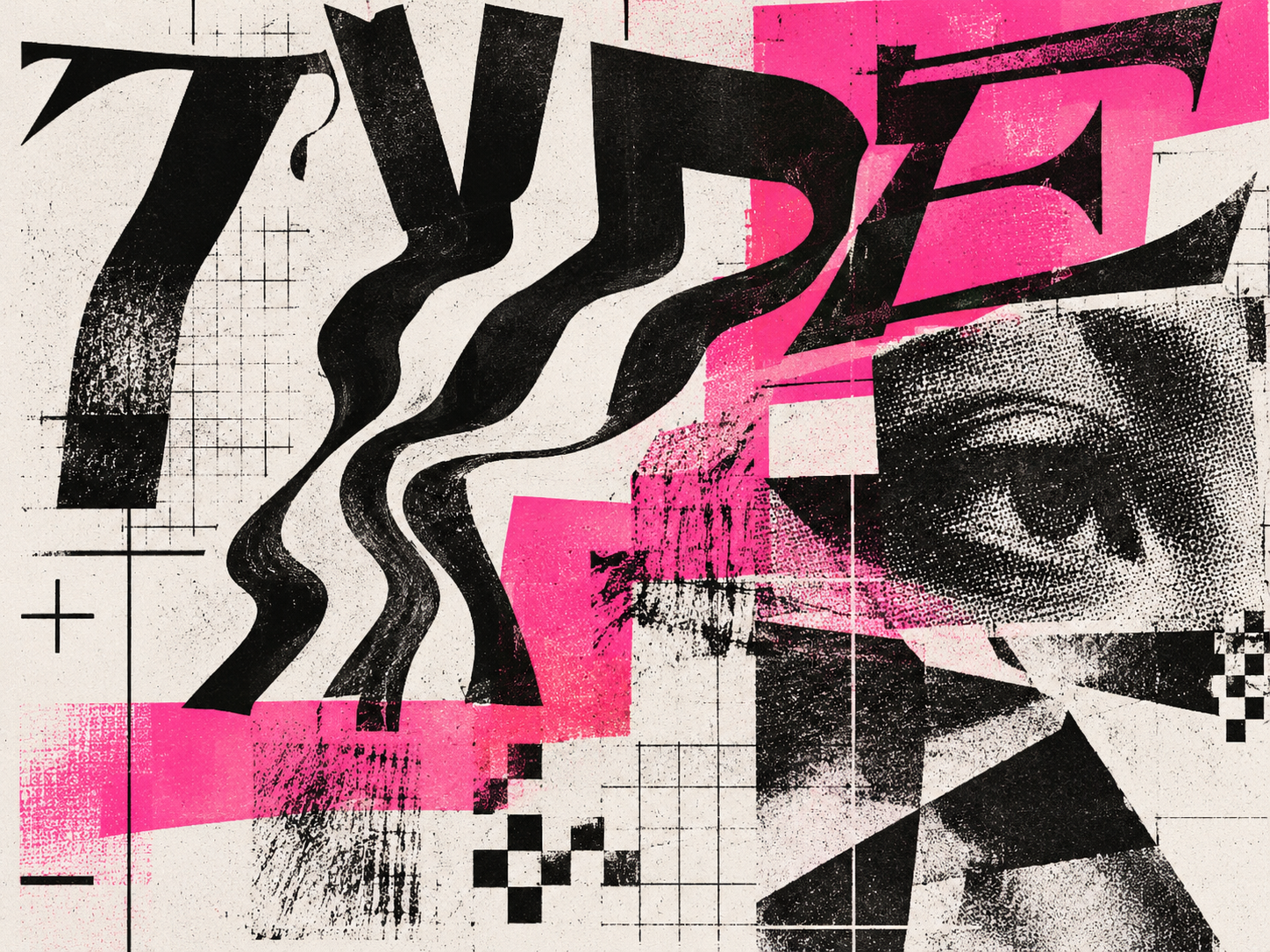
34. Contemporary Collage
Contemporary technique
|
Photographs, illustration, typography and textures combine into layered, unexpected narratives.
Key designers / influences: Mixed-media editorial designers Suggested reference: Contemporary mixed-media poster |
|
|
35. Pixel Art / Digital Retro
Digital revival
|
Blocky pixels, limited palettes and low-resolution forms reference early computing and video games.
Key designers / influences: Pixel artists; game designers Suggested reference: 8-bit graphic poster |
|
|
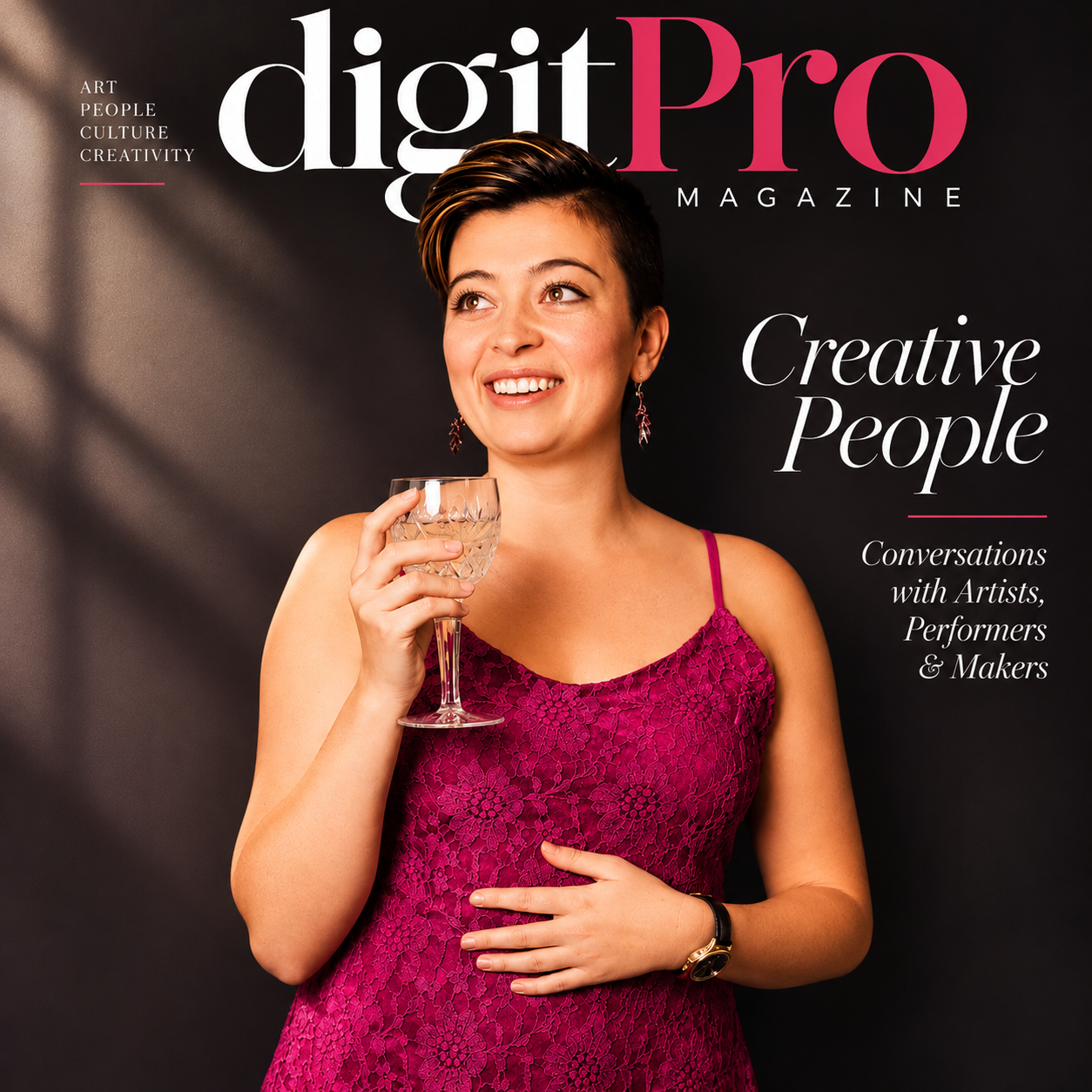
36. Editorial and Luxury Minimalism
Contemporary aesthetic
|
Elegant type, generous spacing and carefully directed photography create refined visual identities.
Key designers / influences: Editorial and fashion art directors Suggested reference: Luxury magazine layout |