The Beginning of Lion and Sun Revolution, in the final days of December 2025, Iran reached a breaking point.
What began quietly — with closed shops, empty bazaars, and whispers of anger — soon erupted into something far greater. The value of the Iranian rial collapsed. Prices of food, fuel, and medicine soared overnight. Families who were already struggling found themselves unable to survive. In Tehran’s Grand Bazaar, merchants pulled down their shutters in protest. The silence was the first warning.
Then the streets filled.
From Tehran to Mashhad, from Isfahan to Shiraz, people poured out — workers, students, retirees, shopkeepers, mothers, and fathers. What started as an economic protest quickly transformed into a nationwide uprising. This was no longer only about prices. It was about dignity. It was about life under a system that had failed its people.
Soon, the chants changed.
Across Iran, a single cry echoed again and again:
“Death to the Dictator.”
It was a line that erased fear. A chant that rejected not reform, not compromise — but the entire structure of authoritarian rule. In many cities, protesters went further, chanting the unthinkable just years earlier:
“Death to Khamenei.”
By naming the Supreme Leader, Iranians crossed a red line that had defined the Islamic Republic for decades. The protests were no longer symbolic. They were existential.
The response was swift — and brutal.
Security forces opened fire. Live ammunition was used against unarmed crowds. Streets turned into battlegrounds. Internet blackouts descended over entire regions, cutting Iran off from the world as violence intensified.
Human rights groups have documented thousands killed since the protests began. The true number may never be fully known. Families were pressured into silence. Bodies were buried under surveillance. Hospitals were guarded. Names disappeared.
But the movement did not.
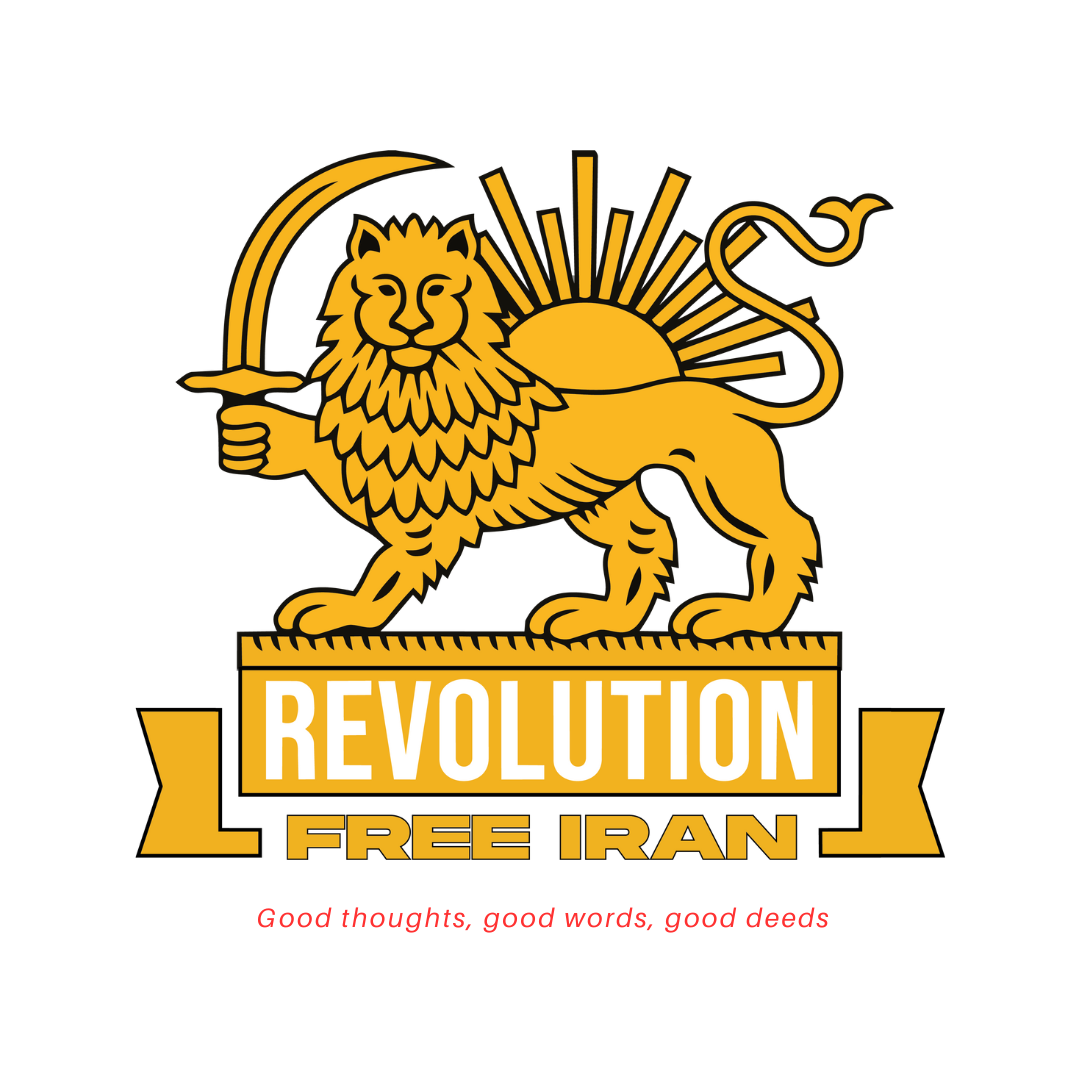
Amid the smoke and blood, new symbols appeared — old symbols reborn. The Lion and Sun flag, banned for decades, rose above the crowds. Once Iran’s national emblem before 1979, it returned as a declaration: Iran is more than the Islamic Republic. For some, it represented memory. For others, unity. For many, it simply meant reclaiming an identity stolen by the state.
With it came new chants.
“This is the final battle — Pahlavi will return.”
For those who shouted it, Reza Pahlavi — the exiled son of Iran’s last Shah — became a symbol of an alternative future. Not necessarily a king, but a figure of transition, continuity, and resistance to clerical rule. Other chants followed:
“Long live the king.”
“Javid Shah.”
These voices revealed one vision for Iran’s future — a return to monarchy, or at least to a secular national framework rooted in Iran’s pre-revolutionary past.
Yet this was not the only vision.
Alongside monarchist slogans were broader cries that cut across ideology:
“Free Iran.”
“Free political prisoners.”
And one message that captured the rage of an exhausted nation:
“Neither Gaza nor Lebanon — my life for Iran.”
It was a rejection of foreign wars, proxy conflicts, and sacrifices demanded of ordinary people while their own lives collapsed at home.
Together, these chants told a deeper story.
The Lion and Sun Revolution is not a movement with one leader or one blueprint. It is a movement united by what it rejects — repression, corruption, and clerical rule — and divided only by the question of what comes next.
Some imagine a secular democratic republic.
Some support a constitutional monarchy.
Others demand only this: the right to choose.
What binds them is sacrifice.
Thousands killed. Thousands more imprisoned. Lives shattered. Families broken. And yet, the protests continue — because fear has lost its power.
This is why the Lion and Sun returned.
This is why the chants grew louder.
And this is why, for many Iranians, December 2025 marked not just another protest — but the beginning of a revolution.